


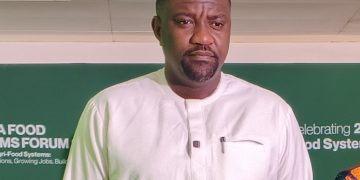














Mr. Sunil Dahiya, Senior Program Officer for Inclusive Markets and Trade at Alliance for a Green Revolution in Africa, has called for renewed and intensified efforts to enhance the quality and competitiveness of locally produced rice in Ghana.
According to him, rice continues to play a vital role as a staple food in Ghana and across the African region, making it imperative for stakeholders to sustain investments and adopt strategic approaches to strengthen the sector.
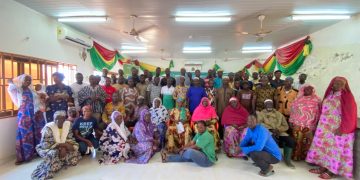
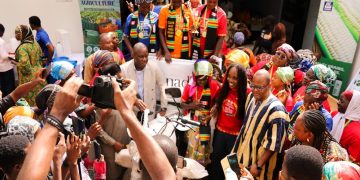
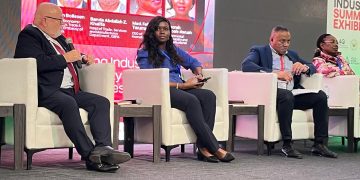
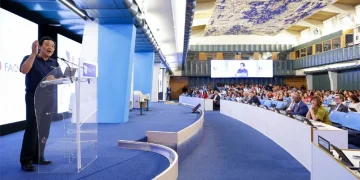
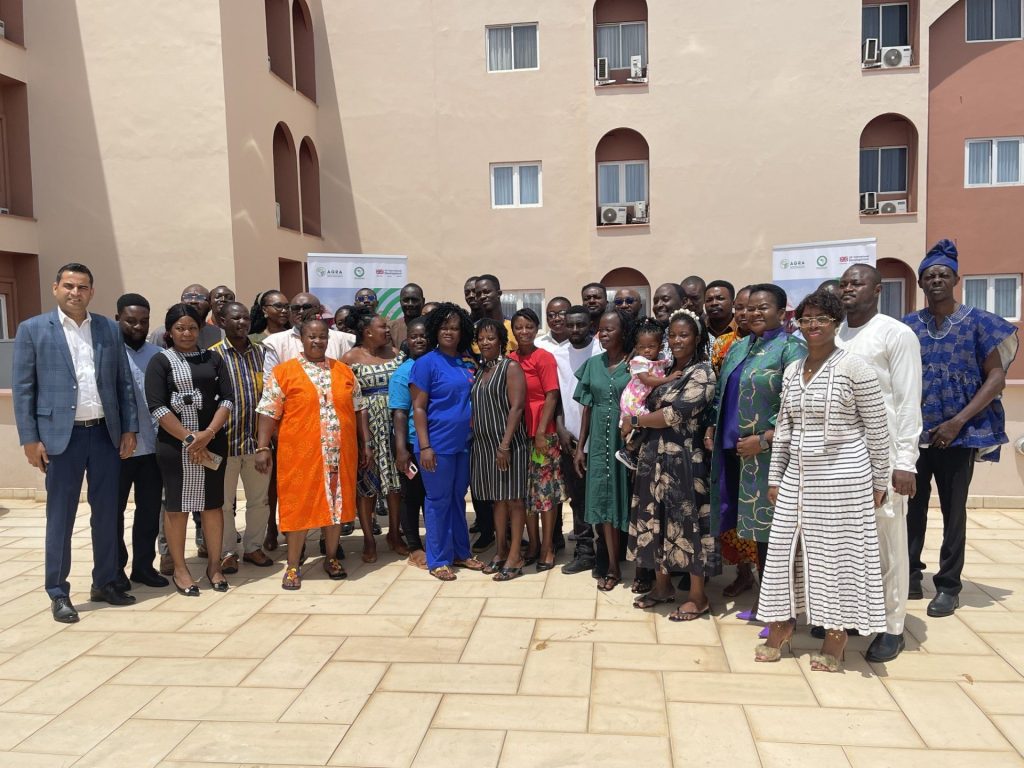
Mr. Dahiya made these remarks at a Breakfast Dialogue and Policy Discussion on the “Eat Ghana Rice Campaign” held in Accra, under the theme, “Promoting Ghana Rice Consumption for National Food Security and Economic Growth.”
He disclosed that AGRA has invested over $40 million in rice development initiatives across Africa over the past two decades, with a substantial portion directed towards Ghana through various interventions.
Despite the progress made in boosting local rice production, Mr. Dahiya noted that persistent challenges related to quality and consistency continue to hinder the ability of Ghanaian rice to effectively compete with imported alternatives.
“Consistency in quality is non-negotiable. We cannot deliver quality today and fall short tomorrow. Every Ghanaian deserves reliable access to high-quality food, including rice,” he emphasized.
He explained that addressing these gaps would require deliberate investments in modern processing technologies and systems to ensure that locally produced rice meets market standards and consumer expectations.
Mr. Dahiya further highlighted the need to scale up production to achieve economies of scale, noting that high production costs, dependence on imported equipment, and labour-intensive processes continue to undermine competitiveness.
He therefore called for stronger collaboration among government, development partners, and the private sector to drive sustainable improvements across the rice value chain.
Additionally, he underscored the importance of effective branding and public awareness campaigns to promote the consumption of locally produced rice and encourage Ghanaians to prioritise home-grown products.
Mr. Dahiya stressed that aligning government policies with private sector needs would be crucial in creating an enabling environment for growth within the industry.
He expressed confidence that with sustained investment and coordinated action, Ghana has the potential to build a resilient and competitive rice sector capable of significantly reducing reliance on imports.
In a related contribution, Mr. Sewu Kwadzo Abortta, an Associate with Farmer Globale, called for targeted subsidies and comprehensive policy reforms across the rice value chain to strengthen local production and improve competitiveness.
He emphasised that improving productivity while reducing production costs remains critical to enabling Ghanaian farmers to compete favourably with imported rice.
Mr. Abortta, who is also a farmer and legal practitioner, noted that increased yields could significantly lower market prices of locally produced rice to between GH₵300 and GH₵350 per 50kg bag, compared to imported rice which currently sells between GH₵450 and GH₵500.
“If farmers are supported to improve their production methods and yields, we can reduce prices and position local rice competitively on the market,” he stated.
He further explained that Ghana’s rice market is largely driven by low- and middle-income consumers, making affordability a key determinant in purchasing decisions.
To address this, Mr. Abortta called for subsidies on critical inputs such as fertiliser, improved seeds, and agrochemicals, noting that the current cost of fertiliser—averaging about GH₵450 per bag—remains prohibitive for many farmers.
He also urged government to consider tax exemptions on imported agricultural machinery to help reduce operational costs and improve efficiency within the sector.
Furthermore, he advocated for policies that guarantee farmers long-term access to land, proposing a minimum tenure of five years to encourage investment in land development and enhance productivity.
Mr. Abortta concluded that a holistic approach ,spanning policy reform, financing, production improvements, and strategic partnerships, would be essential to reducing costs and strengthening the competitiveness of Ghana’s rice industry.

