



































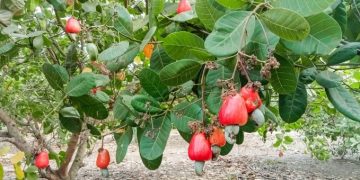




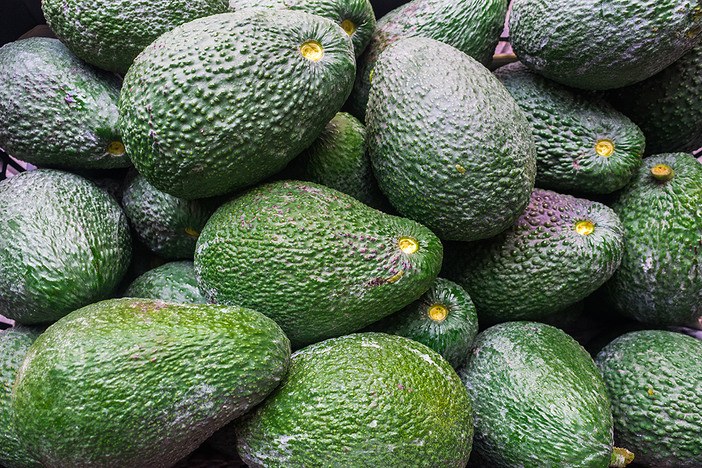
Kenya produces more than 500,000 tons of avocados annually and exports larger volumes than South Africa, Africa’s largest exporter by value. According to the company, around 80% of Kenya’s avocado production comes from smallholder growers with limited access to refrigeration infrastructure.
“From the moment the fruit is plucked, it’s a race against time,” said Stephen Katingima, chief operating officer at SokoFresh. The “cold chain buys you time.”
The company said longer shipping times linked to disruptions in Middle East trade routes have increased the importance of cold chain infrastructure for exports to Europe, Kenya’s main avocado export market.
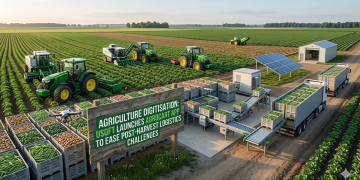
SokoFresh uses solar-powered cold rooms to extend avocado shelf life during storage and export handling. According to chief executive officer Denis Karema, refrigerated fruit can remain marketable for up to three weeks after arrival abroad, compared with around one week without cold storage.
Founded in 2019, the company now operates more than 32 cold storage facilities across Kenya serving avocado and fresh produce growers. Its aggregation hub in Kiambu County has a storage capacity of more than 140 tons and works with around 2,500 avocado growers.
The Kiambu facility received partial funding through a grant from the Global Energy Alliance for People and Planet, which also received support from the Rockefeller Foundation. Technical assistance was provided by Clasp, a Washington, DC-based nonprofit focused on energy efficiency.
According to the company, growers working with SokoFresh have increased yields by more than 20% while reducing post-harvest losses by up to 40%. Export-grade avocados can sell for as much as 120 Kenyan shillings (US$0.93) per kilogram, compared with between 50 and 70 Kenyan shillings (US$0.39-US$0.54) for fruit sold without refrigeration access.
SokoFresh is currently preparing a funding round to support further expansion.
“We are kind of doing a pre-series raise right now. We are looking to raise about US$1.5 million,” Katingima said. “That’s setting us up for a Series A of about US$10 million and above for 2027.”
The company is also encouraging growers to plant export-focused avocado varieties including Hass and Fuerte, while promoting avocado production alongside tea farming systems.
“The margin between what you get here for export grade and oil grade is quite huge,” Katingima said.
Source: Financial Post

