



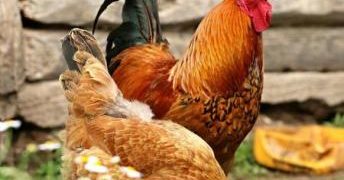























Ghana’s push to reduce its heavy reliance on imported chicken has received a major boost, with 3,000 farmers across northern Ghana receiving 150,000 fully vaccinated poultry birds under a European Union-supported initiative aimed at transforming the country’s poultry sector and strengthening rural livelihoods.
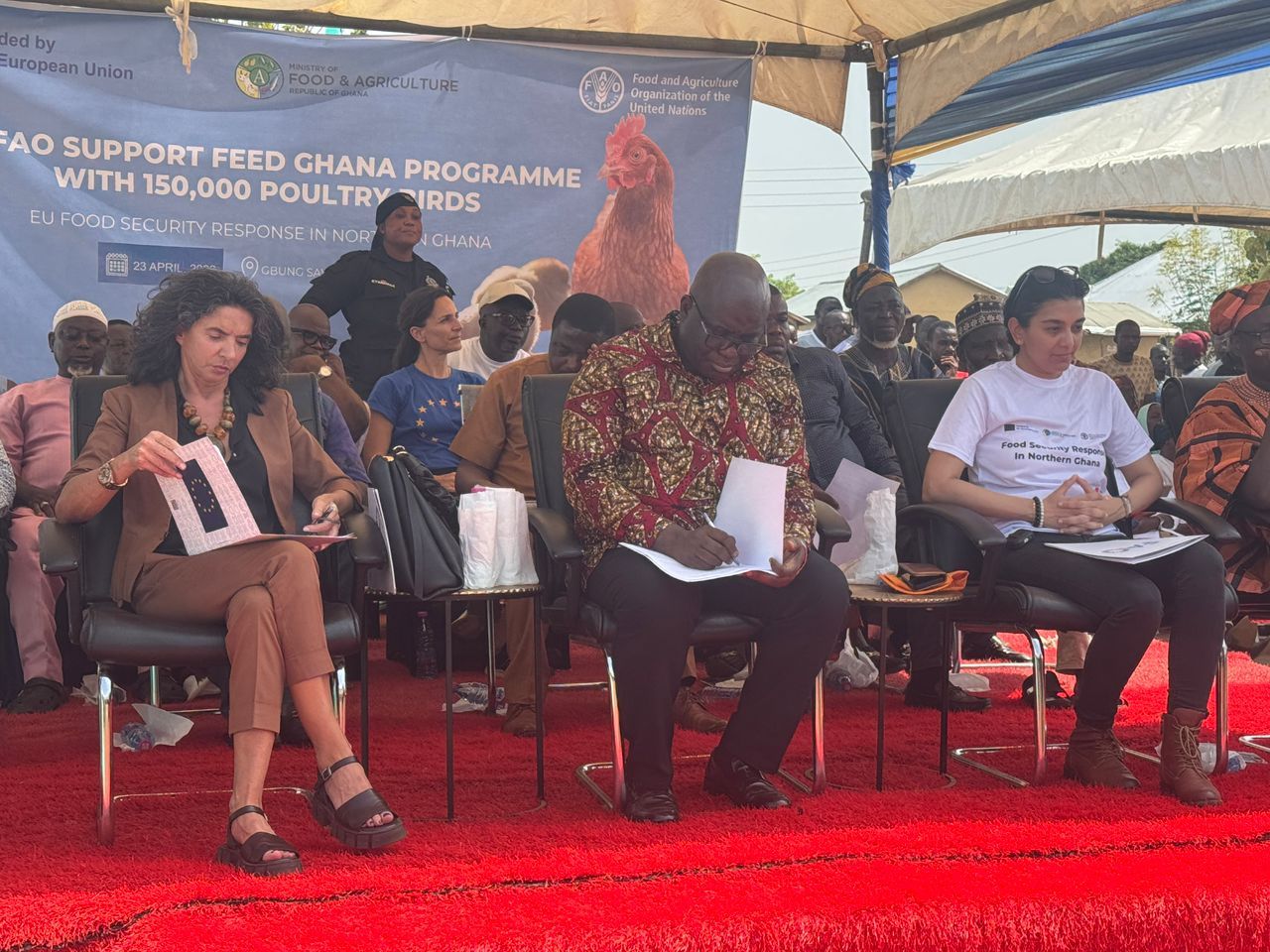
The European Union (EU), in collaboration with the Food and Agriculture Organization (FAO) and Ghana’s Ministry of Food and Agriculture (MoFA), distributed the birds across six districts in the Savannah, Upper East and Northeast regions.
The intervention, implemented under the EU Food Security Response in Northern Ghana project and aligned with government’s Nkonko Nkitikiti initiative, aims to boost local poultry production, reduce import dependency, and strengthen livelihoods in rural communities.
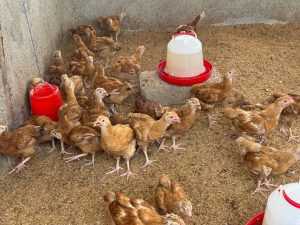
The support package includes feed and essential veterinary medication, with an estimated 15,000 rural households expected to benefit directly.
Speaking at the event in Gbung, FAO Representative to Ghana, Ms. Priya Gujadhur, described the initiative as timely, noting that it comes at a critical period when farming households are recovering from climate shocks and global economic disruptions.
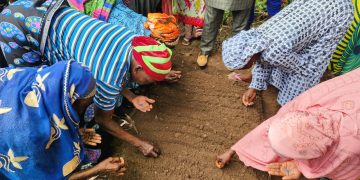
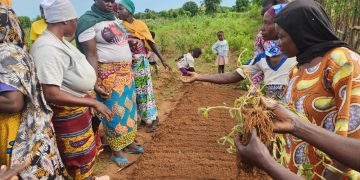
She revealed that over 12,000 smallholder farmers across six food-insecure districts are already benefiting from the project through increased crop production, livestock development and improved livelihoods.
According to her, maize yields among beneficiary farmers have significantly improved, rising from 0.6 metric tonnes per hectare in 2023 to 1.8 metric tonnes per hectare in 2025.
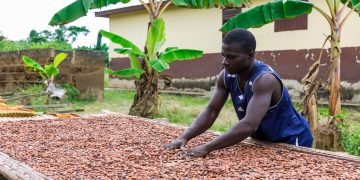
She added that farmers have also been supported with post-harvest equipment, including grain threshers, moisture meters and improved storage bags, helping to reduce losses and improve incomes.
“This intervention is not only about production but about strengthening the entire agricultural value chain, including access to finance, markets and climate resilience,” she said.
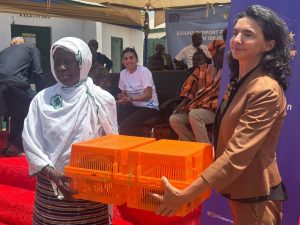
In a statement read on behalf of the EU Ambassador to Ghana, H.E. Rune Skinnebach, the EU reaffirmed its commitment to supporting Ghana’s agricultural transformation.
EU Head of Cooperation, Silvia Severi, described the poultry distribution as more than just the provision of chicks, calling it a strategic investment in jobs, nutrition and food security.
She noted that Ghana spends about $400 million annually on poultry imports, stressing that such interventions will help reduce dependency while boosting local production.
“This is not just about chickens. It is about jobs, nutrition and food security. It is about building a resilient agricultural sector,” she stated.
She further highlighted achievements of the project, including the training of over 10,000 farmers in post-harvest management, support for 4,000 women through Village Savings and Loans Associations, and the establishment of seed farms producing certified seeds.
The Minister for Food and Agriculture, Dr. Eric Opoku, reaffirmed government’s commitment to the Nkonko Nkitikiti initiative, which seeks to revitalise Ghana’s poultry sector and reduce reliance on imports.
“Our aim is to reduce the cost of importing chicken through increased local production, improve food security, and support rural households with sustainable livelihoods,” he said.
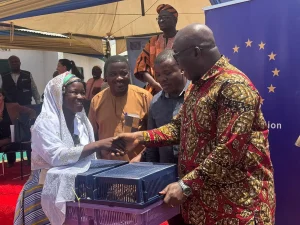
He urged beneficiary farmers to adhere to proper poultry management practices to ensure sustainability and profitability.
Under the intervention, farmers are receiving not only chicks but also feed, veterinary support and training in modern animal husbandry practices to improve survival rates and productivity.
Launched in September 2023 with €10 million in funding, the EU Food Security Response in Northern Ghana project has already supported over 50,000 smallholder farmers, helping them withstand the impact of global shocks and climate-related challenges.
Stakeholders emphasised that sustained collaboration between government, development partners and local communities will be key to maintaining the gains made and expanding support to more farmers across the country.

