




































The Trump administration is preparing to suspend tariff‑rate quotas on imported beef to address record-high U.S. prices, even as China abruptly revoked export licenses for over 400 U.S. beef plants. The timing—just hours after the licenses were renewed and during the Trump-Xi summit—suggests the move may be part of Beijing’s broader trade negotiation strategy. Analysts note that while tariff relief could modestly expand U.S. supply, it risks undercutting domestic ranchers and may have limited immediate price impact.
What the tariff suspension means for prices and producers
Suspending beef import quotas could allow unlimited volumes from eligible exporters at lower tariffs, potentially easing ground beef prices later in the year. However, with imports already at record levels and herd rebuilding constrained by drought, industry economists warn the policy sends mixed signals to ranchers. Past quota expansions, such as for Argentina, had minimal consumer price effects but triggered sharp declines in cattle prices, underscoring the delicate balance between short-term relief and long-term production incentives. American Farm Bureau Federation + 2
China’s license revocation: retaliation or negotiating tactic?
Chinese customs offered no explanation for reversing the renewed licenses, but experts view it as a calculated signal in bilateral trade talks. Beef is a low-risk lever for China, which has ample domestic supply and alternative import sources, allowing it to pressure Washington without significant domestic fallout. The inclusion of major U.S. processors like Cargill and Tyson in the affected list amplifies the commercial stakes while giving Beijing flexibility to reinstate access if negotiations progress. Reuters + 2
From drought to diplomacy: how the beef crisis escalated
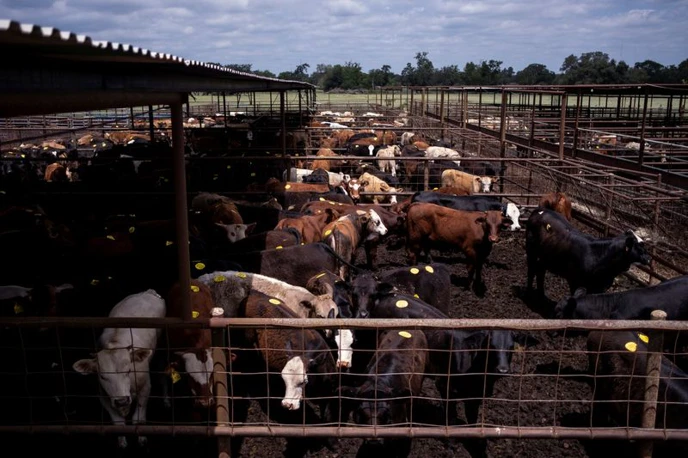
Persistent drought conditions, elevated feed costs, and herd liquidation have reduced the U.S. cattle herd to its smallest size in 75 years, contributing to beef prices rising over 16% since January 2025. Tight domestic supply has coincided with new Chinese quota measures on beef imports and the sudden withdrawal of U.S. export licenses during leadership talks in Beijing. This overlap of constrained production at home and shifting trade policies abroad has positioned beef as both a driver of food inflation and a tool in bilateral economic discussions.
Sudden license reversal: Chinese customs re-listed hundreds of U.S. beef plants’ export licenses as expired hours after renewal, impacting about 65% of previously registered facilities.
Trade talks backdrop: The move coincided with the Trump-Xi summit, where beef market access was on the agenda, and is viewed by analysts as a bargaining chip in negotiations.
Domestic market strain: U.S. beef prices remain high amid a 75-year low cattle herd, prompting the Trump administration to plan a suspension of beef import tariffs to boost supply.

