


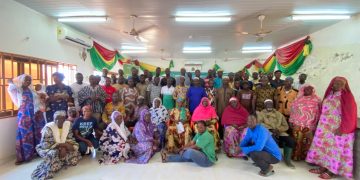





















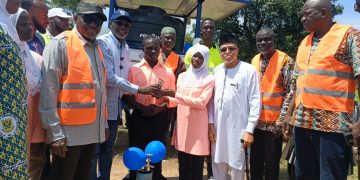












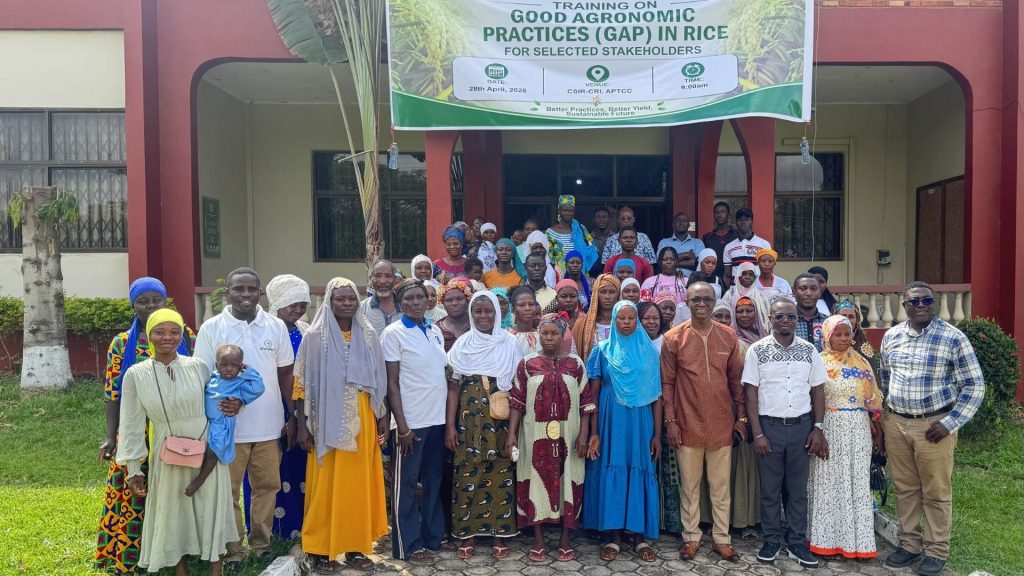
Rice farmers, millers, aggregators, seed producers, and other stakeholders within Ghana’s rice value chain have undergone intensive training on modern agronomic practices aimed at improving productivity and strengthening local rice production.
The capacity-building programme, organised by the Council for Scientific and Industrial Research – Crops Research Institute (CSIR-CRI), forms part of the Korea-Africa Food and Agriculture Cooperation Initiative (KAFACI) Rice Project, which seeks to enhance rice production across participating African countries through improved technologies and high-yielding rice varieties.
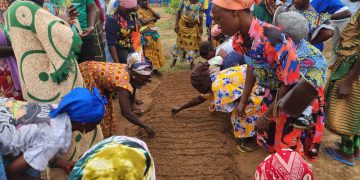
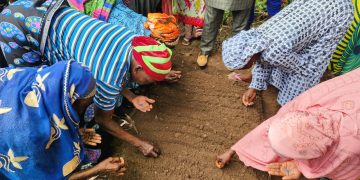
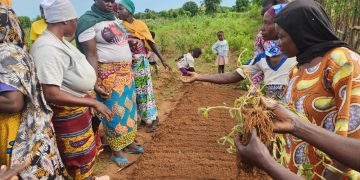
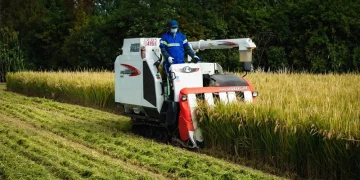
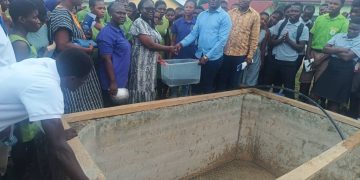
Participants received practical and theoretical training in seed purity and varietal selection, land preparation, soil and water management, fertiliser application, weed control, and post-harvest handling of rice seeds.
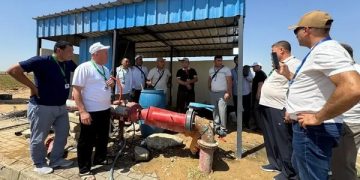
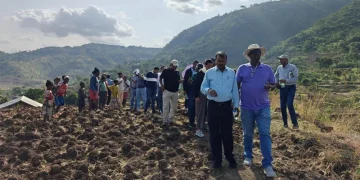
The training also featured field demonstrations and practical sessions at the institute’s technology park and research fields at Fumesua near Kumasi.
Speaking during the opening session, Dr. Kirpal Agyemang Ofosu underscored the importance of continuous farmer education in helping Ghana achieve rice self-sufficiency.
According to him, although research yields at CSIR-CRI average about 8 tonnes per hectare, yields on farmers’ fields remain significantly lower, averaging about 3.5 tonnes per hectare.
He explained that the gap highlights the urgent need for farmers to adopt improved farming practices and modern technologies developed through research.
Dr. Ofosu further stressed that improving local rice production would help reduce Ghana’s dependence on rice imports, which continue to place pressure on the country’s economy.
He also called for consistent government support through timely access to farm inputs and encouraged farmers to purchase certified seeds from recognised institutions and accredited seed producers to maintain quality standards.
Over the years, the KAFACI Rice Project has supported CSIR-CRI in developing and releasing more than ten rice varieties suitable for both upland and lowland cultivation systems.
Among the improved varieties is CRI-Agyapa, a climate-smart and early-maturing lowland rice variety that matures within 105 to 115 days and has become increasingly popular among farmers.
Also addressing participants, Professor Maxwell Darko Asante assured farmers and stakeholders of the institute’s commitment to developing innovative technologies to improve rice production.
He said researchers were continuously working on improved crop varieties, agronomic practices, pest and weed management strategies, and post-harvest technologies to support sustainable rice production in Ghana.
Professor Asante further appealed to policymakers to create a favourable market and policy environment for rice farmers, noting that current market challenges, including rice glut situations, continue to affect producers.
He observed that many farmers invest heavily in production each season and therefore require stable market opportunities that will enable them to sell their produce profitably and prepare for subsequent farming seasons.

