









































Young people from across the globe have called for stronger recognition, investment, and inclusion in efforts to address land degradation, food insecurity, water scarcity, biodiversity loss, and climate change.
The call was made through a Youth Statement for UNCCD COP17: Expectations and Recommendations, developed following a global Youth Consultation convened by the Global Flagship Initiative for Food Security to gather the perspectives and priorities of young leaders working across different regions and sectors.
The statement highlights the critical role of young people as innovators, community leaders, and stewards of natural resources, emphasizing that youth must be treated as equal partners in restoring degraded land, transforming food systems, and building climate-resilient communities.
Ahead of UNCCD COP17, youth representatives identified key areas requiring urgent action, including financing, water security, land governance, youth participation, technology, soil health, and sustainable agriculture.
Youth Demand Accessible Financing for Local Solutions
A major concern raised by participants was the limited access young people have to funding opportunities despite their growing contribution to climate action, agriculture, and environmental restoration.
The youth leaders noted that many youth-led organizations, community initiatives, and small enterprises struggle to access finance due to complicated application processes, strict eligibility requirements, limited institutional capacity, and short-term funding cycles.
They called for simplified and flexible financing mechanisms, including small grants, seed funding, innovation funds, blended finance, and dedicated youth financing windows that reflect the realities of youth-led initiatives.
The statement also emphasized the need to support youth-owned businesses, cooperatives, and small and medium-sized enterprises that create decent jobs while contributing to sustainable land restoration, resilient food systems, and local economic growth.
Participants further called for greater transparency in tracking investments targeted at youth and community-led initiatives to ensure that financial commitments translate into measurable impact.
Water Security and Climate Resilient must be Prioritized
The youth statement highlighted increasing water insecurity as a major threat to agriculture, food systems, and livelihoods globally.
Participants noted that floods, droughts, water scarcity, and pollution continue to destroy farmland, reduce food production, damage infrastructure, and threaten communities that depend on natural resources.
They particularly highlighted the declining fish stocks affecting coastal communities whose livelihoods and food security depend on fisheries.
The youth leaders stressed that water management must move beyond responding to crises and focus more on prevention, preparedness, and locally led adaptation.
They called for stronger integration of indigenous knowledge and scientific approaches in water governance while encouraging investment in nature-based solutions such as protecting forests, wetlands, watersheds, and rangelands.
Young People Must Have Greater Access to Land and Decision-Making
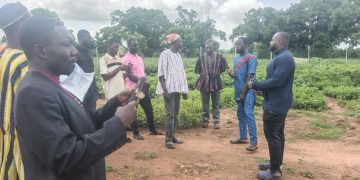
Participants identified limited access to land and exclusion from decision-making processes as major barriers affecting youth participation in agriculture and environmental management.
Although youth involvement in community governance is increasing, the statement noted that decision-making spaces remain largely dominated by older generations.
The youth leaders called for young people to be recognized based on their expertise and contributions rather than their age, while advocating for equitable access to land, resources, and leadership opportunities.
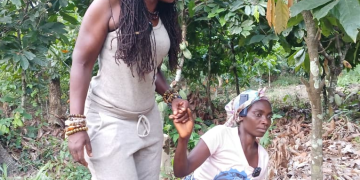
They also emphasized the importance of strengthening women’s land rights and ensuring secure land tenure for young farmers and entrepreneurs.
Making Agriculture Attractive for the Next Generation
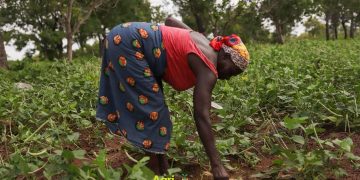
The statement raised concerns about the increasing movement of young people from rural areas to cities due to limited economic opportunities in agriculture.
Participants noted that agriculture is often viewed as unattractive because of challenges including poor access to finance, technology, markets, and support services.
To change this perception, they called for greater promotion of value-added agriculture, entrepreneurship, innovation, circular economy solutions, and green jobs.
They emphasized that agricultural education must begin early and should demonstrate that agriculture is not only a livelihood but also a profitable and innovative career pathway.
Practical learning approaches, including school gardens and entrepreneurship-focused agricultural education, were identified as important tools for building future agricultural leaders.
Technology and Innovation as Drivers of Sustainable Agriculture
Young leaders highlighted the potential of emerging technologies such as artificial intelligence, greenhouse systems, digital platforms, and early warning systems to improve agricultural productivity and climate resilience.
However, they noted that high costs and limited access to finance and equipment continue to prevent many young people from adopting these solutions.
They called for stronger partnerships among governments, private sector actors, and development organizations to scale successful innovations and make technology more accessible to rural communities.
Protecting Soil Health for Future Food Systems
The youth statement emphasized that healthy soils are the foundation of sustainable food systems and must become a priority in agricultural policies and investments.
Participants warned that soil degradation threatens food production, ecosystem resilience, and long-term food security.
They advocated for integrated landscape approaches that protect forests, croplands, wetlands, and rangelands while promoting biodiversity, water security, and climate resilience.
They also called for stronger collaboration between researchers and farmers to ensure scientific knowledge is translated into practical solutions that are accessible and relevant to local communities.
A Call for Youth Inclusion Beyond COP17
The youth leaders concluded by calling on governments, international organizations, financial institutions, private sector actors, development partners, and civil society organizations to recognize young people as equal partners in addressing global environmental and food system challenges.
They emphasized that UNCCD COP17 provides an opportunity to move beyond commitments and deliver practical actions that empower young people, strengthen communities, and accelerate sustainable development.
The Global Flagship Initiative for Food Security reaffirmed its commitment to supporting youth participation, facilitating partnerships, and ensuring that young voices continue to contribute to the implementation of sustainable land restoration and resilient food systems.
As the world confronts interconnected challenges of climate change, land degradation, and food insecurity, young people are calling for a future where they are not only beneficiaries of solutions but active leaders in creating them.

