


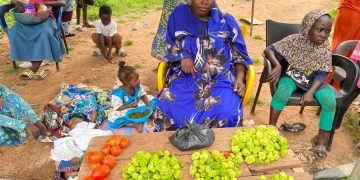
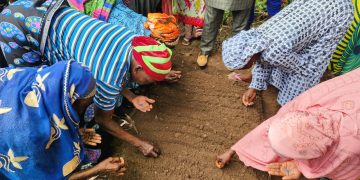
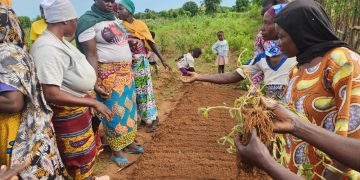
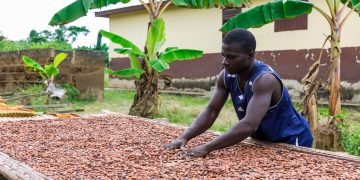







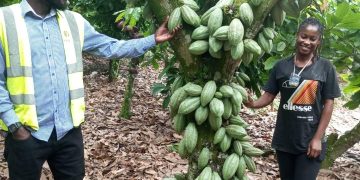
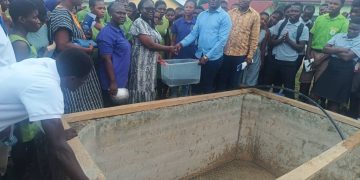




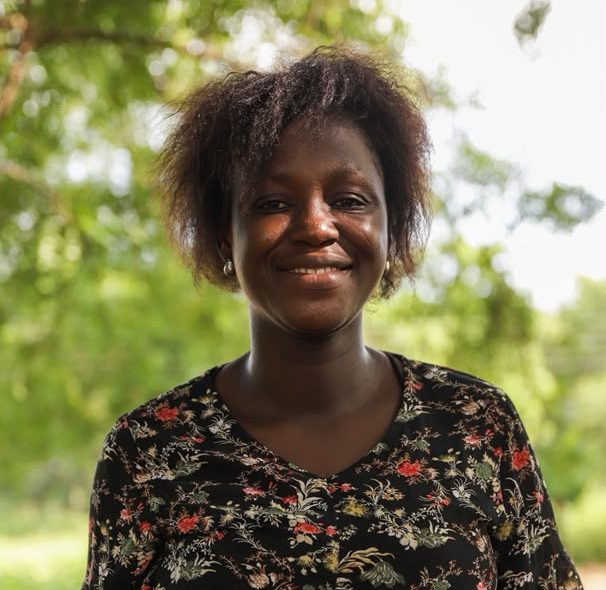
In the farming communities of the Canteen Settlement Operational Area in the West Gonja Municipality, one agricultural officer is making a significant difference in the lives of farmers, particularly women. Through dedication, innovation, and a commitment to community development, Justina Blessing Asaktimbe, an Agricultural Extension Agent with the Ministry of Food and Agriculture (MoFA), is helping farmers increase productivity, improve livelihoods, and build more resilient agricultural enterprises.
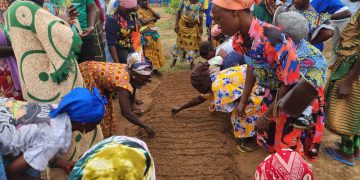
Serving eight major farming communities, Justina provides farmers with access to improved agricultural knowledge, modern farming techniques, and good agronomic practices that enhance crop yields and boost household incomes. Her work goes beyond extension service delivery; it focuses on empowering farmers with the tools and opportunities needed to achieve sustainable growth.
Justina’s journey in agricultural extension began in 2017 when she undertook her national service with MoFA. Inspired by the opportunity to work directly with farming communities, she officially joined the Ministry in 2019 as an Agricultural Extension Agent in the East Gonja Municipality, based in Salaga. In 2021, she transferred to the West Gonja Municipality, where she has continued to support farmers through technical guidance, training, and practical interventions aimed at improving agricultural productivity.
While she works with farmers across all demographics, Justina has developed a special passion for supporting women farmers. Through her interactions with rural communities, she observed that many women faced significant barriers in accessing agricultural resources, development programmes, and market opportunities. Recognizing the crucial role women play in food production and household welfare, she set out to help bridge these gaps.
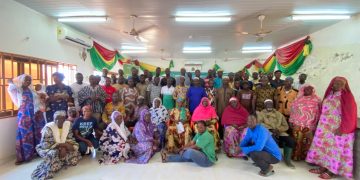
One of her most impactful initiatives has been the organization and formal registration of women farmer groups as Farmer-Based Organizations (FBOs). She noticed that although many women were already farming collectively, the absence of official registration prevented them from accessing government interventions,] training opportunities, and other support services. Through her mentorship and guidance, seven women-led groups have successfully completed their registration processes and are now recognized as formal Farmer-Based Organizations. Several other groups are currently undergoing registration, positioning them to benefit from future agricultural programmes and partnerships.
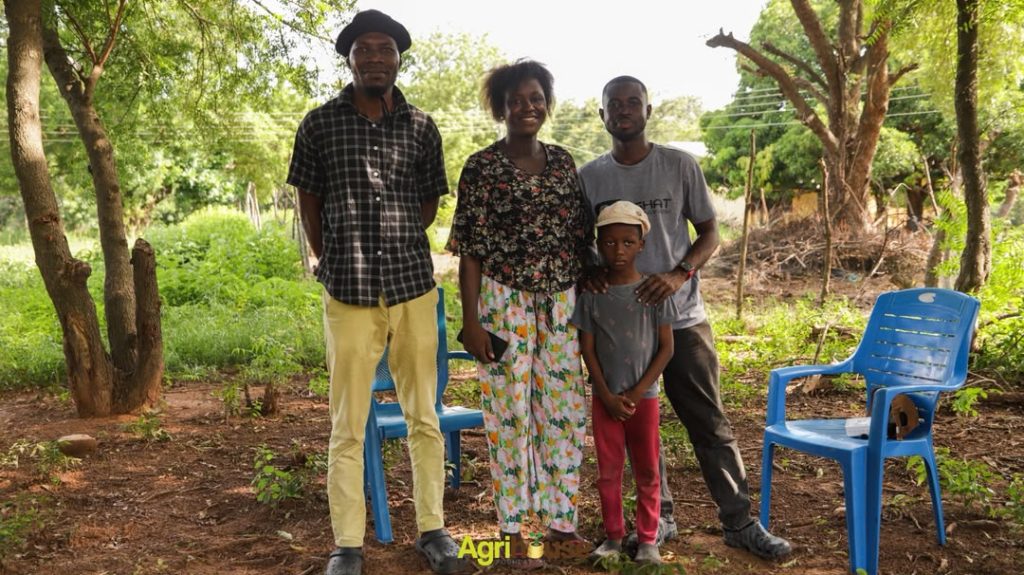
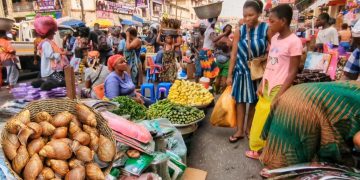
Beyond supporting crop production, Justina has also championed value addition as a pathway to increased income and economic empowerment. She has encouraged women farmers to move beyond the sale of raw agricultural produce by processing their crops into marketable products with higher value. As a result, women’s groups under her guidance now process maize, soybean, and groundnuts into products such as Tom Brown, peanut paste, roasted groundnuts, and soybean-enriched gari. Some groups are also involved in dawadawa processing and other food-related enterprises. These initiatives have created additional income streams for women while strengthening food processing businesses within their communities.
Despite facing challenges, particularly transportation constraints that limit access to some farming communities, Justina remains steadfast in her commitment to serving farmers. Her determination to ensure that farmers receive timely technical support and her passion for empowering women continue to drive her work.
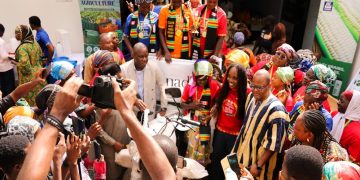
Her efforts have not gone unnoticed. In recognition of her outstanding contribution to agricultural extension and women’s empowerment, Justina Blessing Asaktimbe has been nominated in the Outstanding Woman in Extension Services category at the 8th Women in Food and Agricultural Leadership Forum (WOFAGRIC) and Gold in the Soil Awards.
Justina’s story is a testament to the transformative impact of effective agricultural extension services. It highlights the importance of investing in women farmers and strengthening farmer organizations as catalysts for rural development. Through her work, she is not only improving agricultural productivity but also creating opportunities for women to become more economically independent and influential contributors to food security and sustainable agricultural development in Ghana.

