










For many years, buying farm inputs was a difficult and expensive task for farmers in West Gonja in Ghana’s Savannah Region. A simple trip to purchase fertilizer, certified seeds, or crop protection products often meant travelling long distances to town, spending scarce money on transportation, and losing precious hours that could have been spent on the farm.
Today, that story is changing, thanks to the determination of 46-year-old Rosina Ankunwanab.
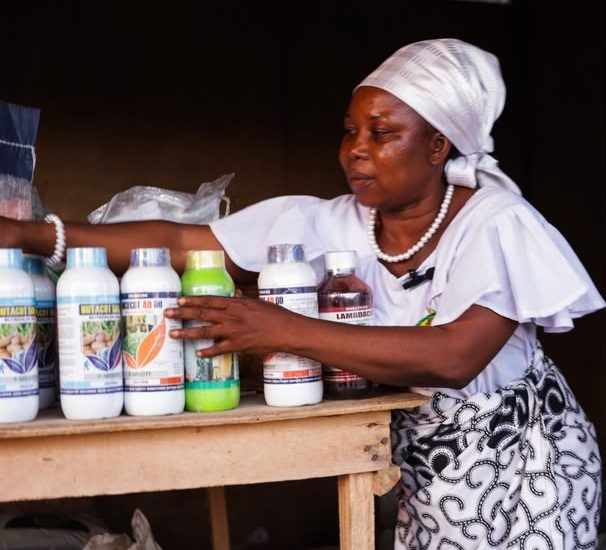
A farmer and female agri-input sales agent, Rosina has become a trusted source of quality farm inputs for smallholder farmers in her community, particularly women. Her work is not only making agriculture more convenient but also helping improve productivity and strengthening the resilience of rural farming households.
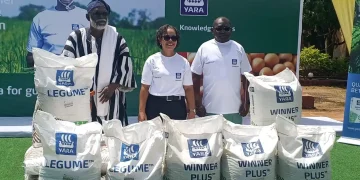
Rosina’s journey into the agri-input business began through the support of the Millennium Development Authority (MiDA) and its partners. At a time when the agri-input trade was largely dominated by men, the programme deliberately created opportunities for women who aspired to become input dealers. Through intensive training and business support, Rosina gained the knowledge, confidence, and supplier connections needed to establish her own agri-input enterprise.
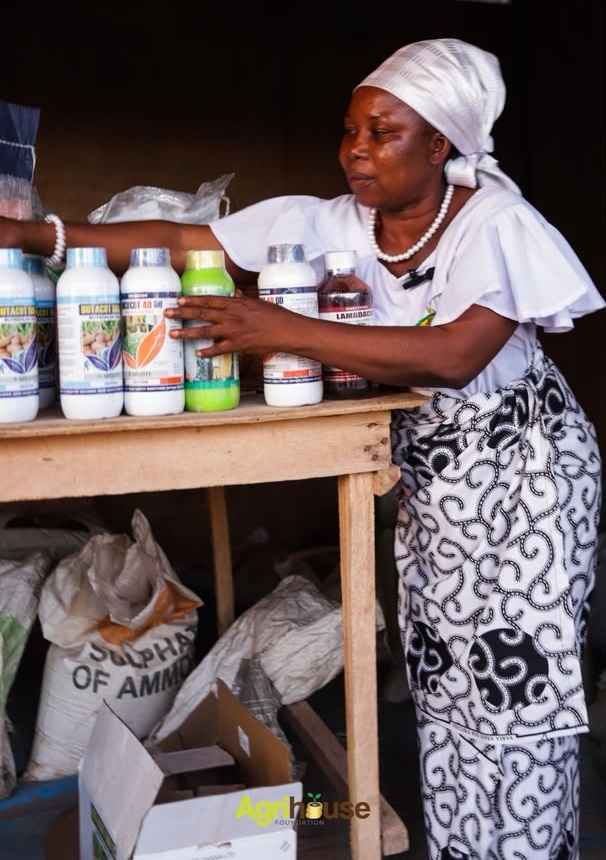
Today, farmers no longer have to undertake costly journeys to purchase essential farming supplies. Instead, they can access fertilizers, certified seeds, and other agricultural inputs right within their community, saving both time and money while ensuring they are ready when the planting season begins.
Rosina’s impact extends far beyond selling agricultural inputs. She is a farmer herself and understands firsthand the realities and challenges of farming. This season, she cultivated four acres of maize, four acres of soya beans, and three acres of groundnuts. Although she farmed a larger area the previous year, she scaled down production after struggling to secure reliable markets for her harvest—a challenge faced by many smallholder farmers across Ghana.
Her dual role as both farmer and input dealer has earned her the trust of fellow farmers. Living in the same community allows her to respond quickly whenever farmers need supplies or technical advice. Recognizing that many farmers face financial constraints at the beginning of the farming season, Rosina sometimes extends credit to trusted customers, allowing them to purchase inputs and repay after harvest. This simple act of trust has enabled many women farmers to cultivate their fields on time without missing critical planting windows.
Rosina’s active involvement in farmer groups has further expanded her impact. Through these networks, more women have become aware of the importance of using quality agricultural inputs and have gained easier access to the products they need to increase yields and improve their livelihoods.
Like many rural entrepreneurs, Rosina continues to navigate significant challenges. Delays in the supply of agricultural inputs during periods of high demand can leave farmers waiting when every day counts. Rising prices of certified seeds and other essential inputs also make it difficult for both dealers and farmers to keep production costs manageable.
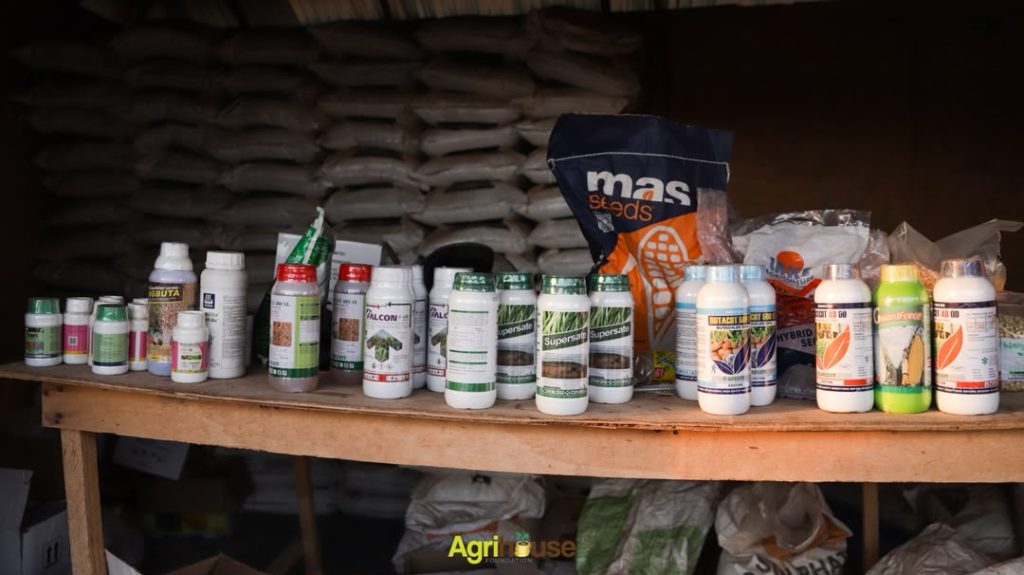
She credits the many training programmes she has participated in with strengthening her understanding of modern agricultural practices and reinforcing the importance of quality inputs, particularly certified seeds, in improving productivity and ensuring better harvests.
Her journey is a powerful example of how investing in women can transform rural agriculture. By bringing essential farm inputs closer to farming communities, Rosina is reducing barriers to production, improving access to quality agricultural services, and creating opportunities for women farmers to thrive.
In recognition of her outstanding contribution to agricultural service delivery and rural development, Rosina Ankunwanab has been nominated for Agrihouse Foundation’s 8th Gold in the Soil Awards, which forms part of the 8th Women in Food and Agricultural Leadership Forum (WOFAGRIC). The event will take place from 22nd to 23rd July 2026 in Ghana’s Savannah Region, where exceptional women transforming agriculture through innovation, resilience, and leadership will be celebrated.
Rosina’s story is more than one of business success. It is a story of service, inclusion, and empowerment, a reminder that when women are equipped with knowledge, opportunities, and the right resources, they become powerful drivers of agricultural transformation and community development.

