



































The Council for Scientific and Industrial Research- Plant Genetic Resources Research Institute (CSIR-PGRRI) has called for the full domestication of the Nagoya Protocol to strengthen protection of the country’s genetic resources and ensure future generations benefit from them.
The institute said stronger legal backing is needed to fully enforce the Protocol and protect the country’s biodiversity from improper exploitation, despite administrative measures already being put in place for implementation.
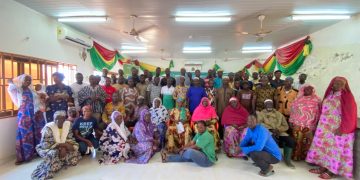
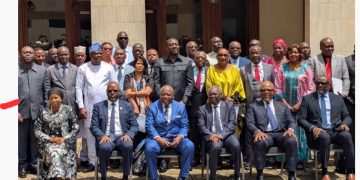
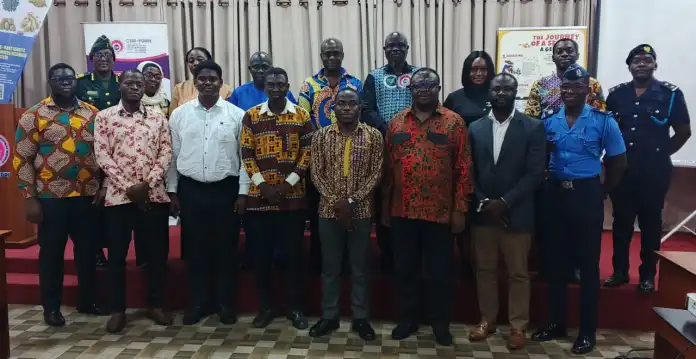
Speaking at a Nagoya Protocol Workshop in Accra, Director of CSIR-PGRRI, Dr. Daniel Ashie Kotey, appealed for stronger support to help fully implement the Protocol.

“I would plead with government and also by extension Parliament to assist the responsible Ministry and CSIR-Plant Genetic Resources Research Institute to fully domesticate the Nagoya Protocol,” he said.
Dr. Kotey explained that the Nagoya Protocol on Access to Genetic Resources and the Sharing of Benefits Arising from their Utilization is a subsidiary agreement under the Convention on Biological Diversity aimed at ensuring countries benefit fairly from the use of their genetic resources.
According to him, the country became a party to the Protocol in 2019, while CSIR-PGRRI was designated as the competent national authority and national focal point in 2021.
Since then, he said, the institute has been working to administer the Protocol and ensure the country protects its genetic resources while receiving all benefits arising from their utilisation by foreign entities.
Dr. Kotey stressed that awareness creation remains central to the successful implementation of the Protocol because genetic resources exist across communities, farms, forests and other natural environments.
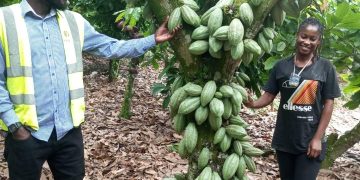
According to him, many people are unaware that plants, seeds and other biological materials found within the country may contain valuable traits that can be commercially exploited outside the country.
He said there was therefore the need to educate the public and institutions to ensure such resources are properly documented before they are transferred abroad.
This, he explained, would help the country monitor their use and secure any benefits arising from them.
Dr. Kotey also linked the importance of the Protocol to growing global concerns over biodiversity loss and climate change.
He noted that preserving genetic resources is critical to ensuring future generations have the capacity to respond to environmental challenges, food insecurity and changing climatic conditions.
Meanwhile, Scientific Coordinator and Head of Secretariat of the Ghana Science Association, Forson Acher Dzotor, called for intensive public education on the Protocol, saying many people, including those within the scientific community, still know little about it.
He said despite spending years within the science fraternity, the workshop was his first opportunity to learn about the Protocol in detail.
“If I have no idea until today, then what of those who are completely outside the science fraternity?” he asked.
He also urged institutions responsible for implementing the Protocol to embark on vigorous public education and outreach programmes to encourage nationwide understanding and support.
Furthermore, he called for stronger support and commitment toward implementation of the Protocol, stressing that institutions involved would require adequate backing to succeed. According to him, stronger commitment would help ensure its objectives are achieved for the benefit of both current and future generations.

