

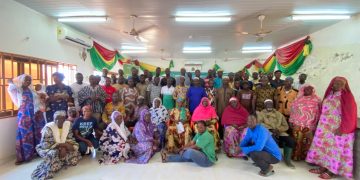
















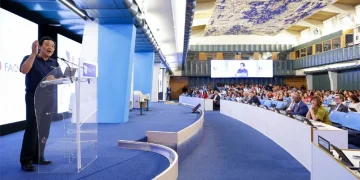







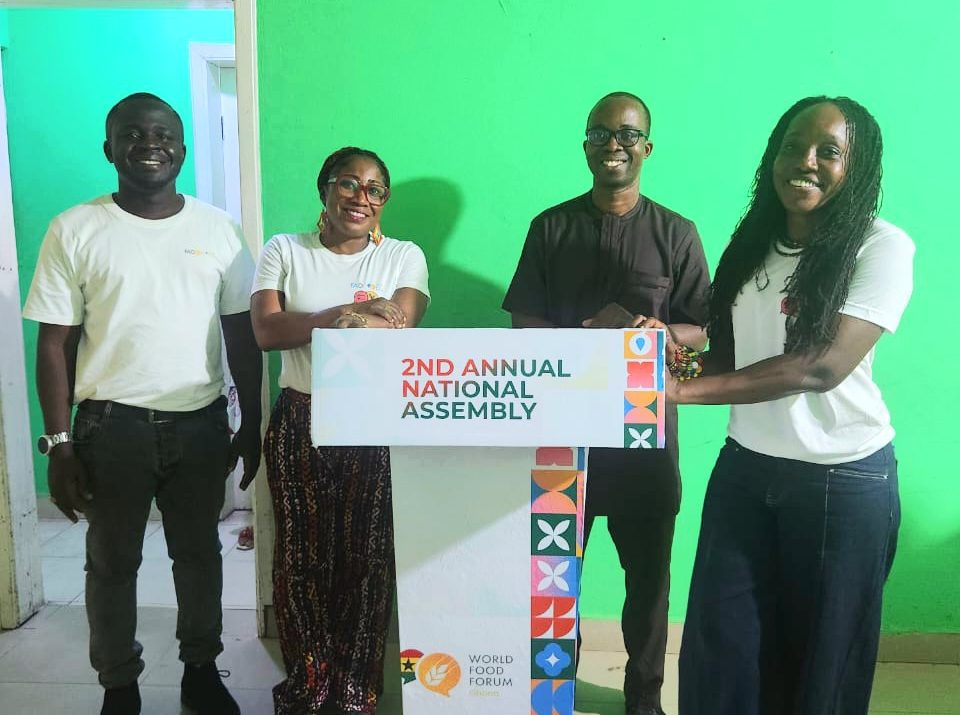
The World Food Forum (WFF) Ghana Chapter held its 2nd annual assembly in Accra on April 18, 2026, bringing together members to reflect on their journey so far and chart a clear path forward.
Speaking at the event, the National Lead, Ms. Alberta Nana Akyaa Akosa, explained that the WFF Ghana Chapter is evolving and must better communicate the impact young people are making in shaping the country’s food systems. According to her, the goal is to translate the energy, passion, and innovation of the youth into meaningful action, guided by a clear and practical roadmap.

She noted that WFF is currently active in 22 African countries and is facilitated by the Food and Agriculture Organization (FAO). In Ghana, the chapter has a presence in 9 out of the 16 regions and is working to expand its reach nationwide. She emphasized that the initiative is largely youth-led and offers significant opportunities for growth and participation.
“When young people come together, you see the energy, the passion, the commitment, and ideas taking shape,” she said. “Since its establishment in 2021, the journey has been exciting. Now, we are focused on strengthening how the Ghana chapter operates and how it aligns with the global structure, particularly through the Office of Youth and Women.”
A representative of the FAO Country Director, Nana Acheapong, reiterated the organization’s commitment to supporting vibrant and resilient food systems in Ghana. He expressed appreciation for the role of young people and described it as a privilege to work with them, while also thanking the organizers for the opportunity to participate in the Annual National Assembly.
On her part, the Gender and Social Protection Lead, Philipa Mensah, highlighted the many benefits of joining the WFF. She mentioned opportunities such as global networking and collaboration, contributing to policy discussions, and participating in capacity-building initiatives like the WFF masterclasses. She added that membership also allows young people to be part of a community driving real change and gaining recognition for their efforts. She encouraged more young people to join and support the growth of the Ghana Chapter.

The National Steering Committee Chairman, Anthony Aidoo, described participation in WFF as a commitment to volunteerism, sacrifice, and dedication. He outlined several initiatives undertaken by the Ghana Chapter to build a strong foundation for future leaders.
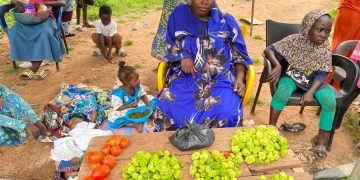
These include the Traditional Market Women and Traders Symposium, which focuses on ensuring a steady food supply while engaging stakeholders on sustaining the future of food systems. He also mentioned the regional student dialogues held in various senior high schools as part of International Youth Day celebrations.
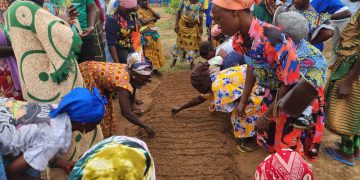
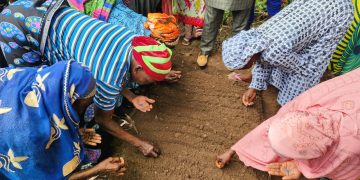
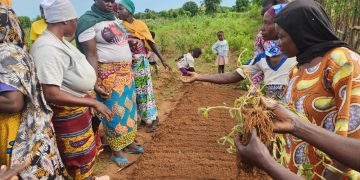
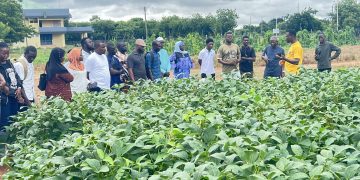
Additionally, he revealed that the Chapter has organized farmer symposiums that bring together farmers, youth, women, and community leaders. These engagements aim to promote knowledge sharing, skills development, and collaboration to strengthen food systems, particularly in rural areas. Key focus areas include sustainable agricultural practices, as well as improving access to land and finance.

