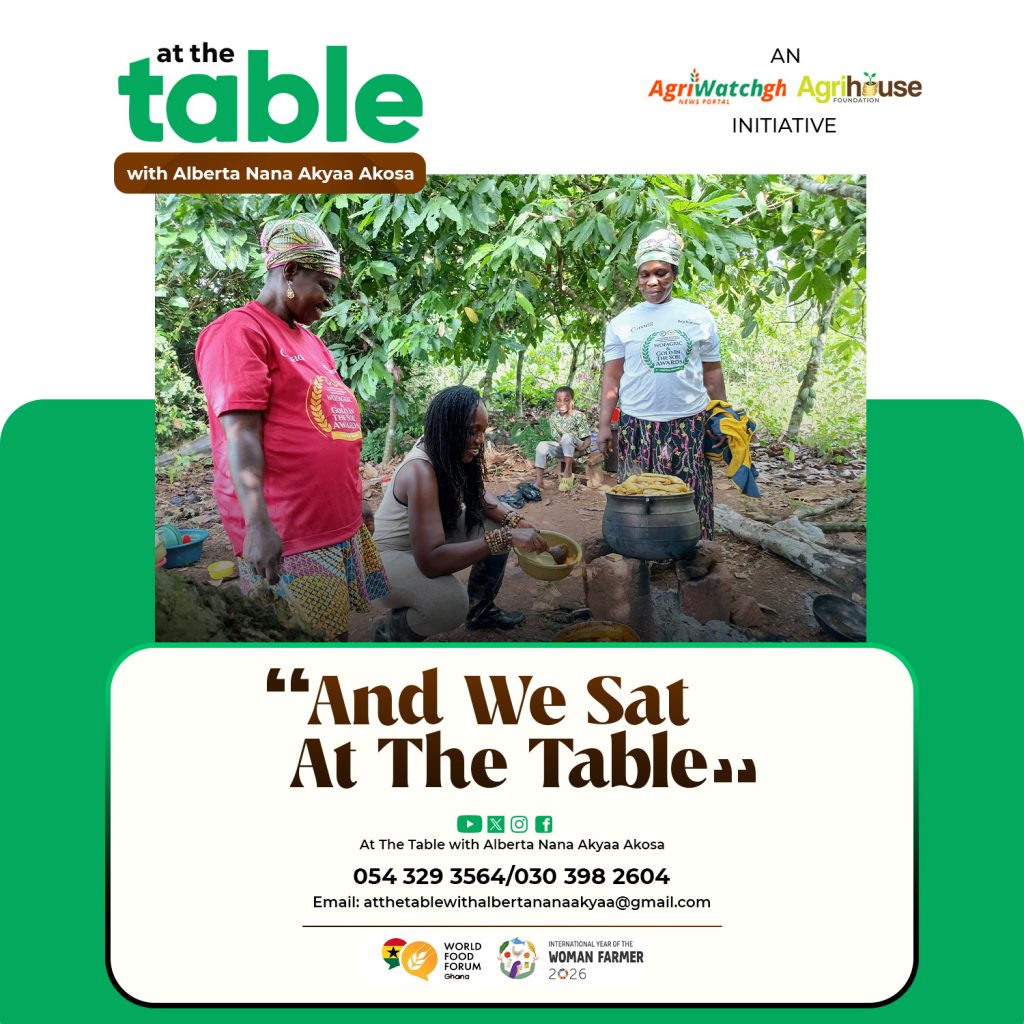
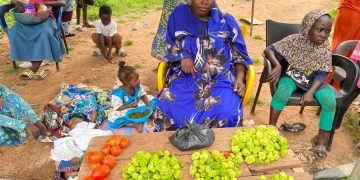
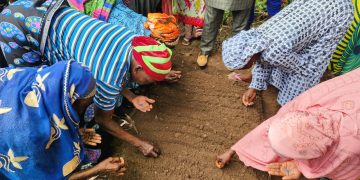
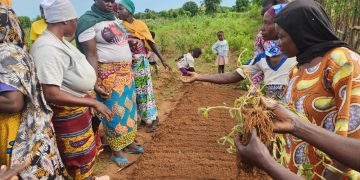
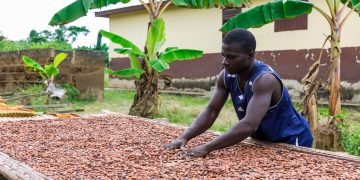





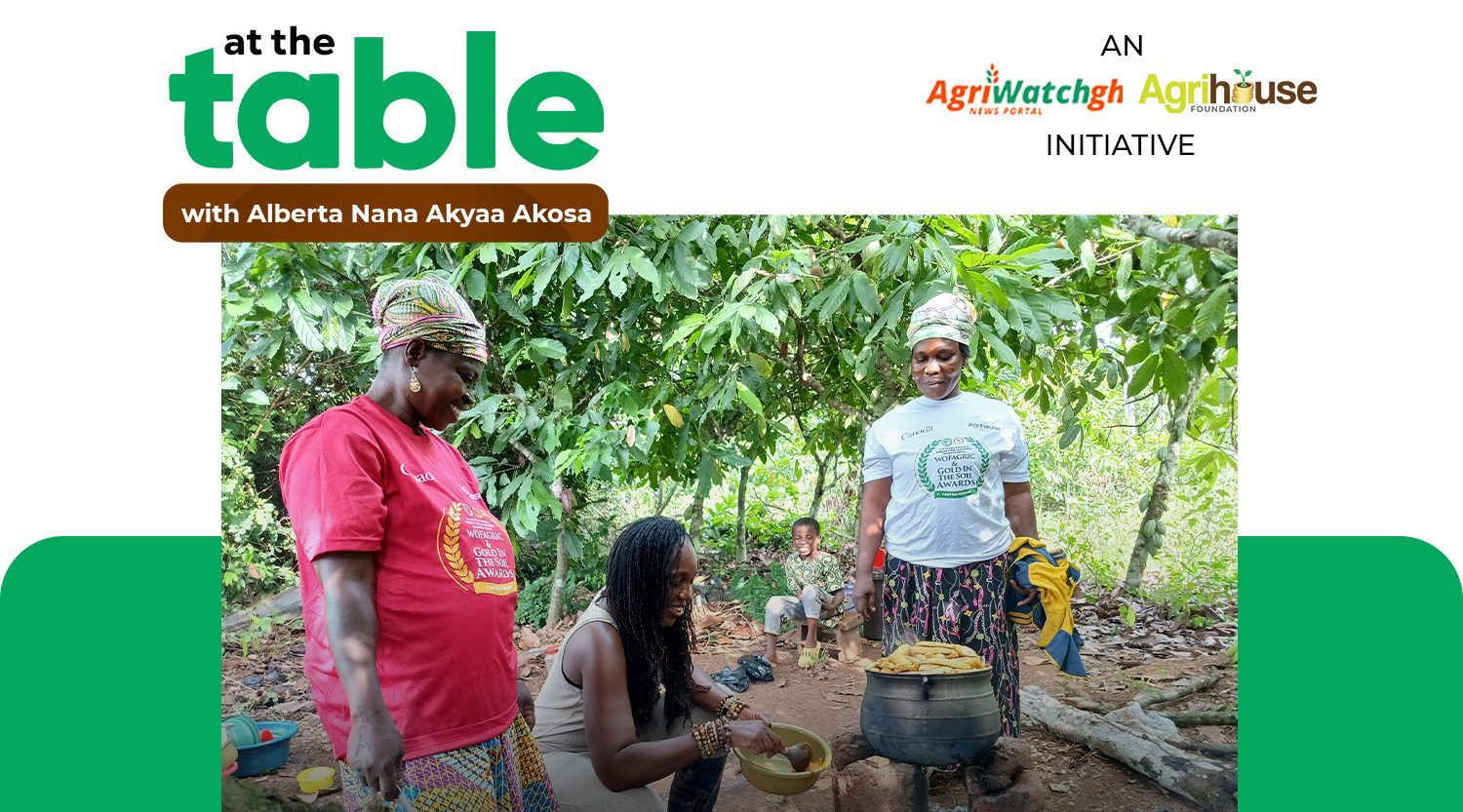
Agrihouse Foundation and its sister company, AgriWatchGH, have launched a new public interest programme titled “At the Table with Alberta Nana Akyaa Akosa” aimed at highlighting the critical role women farmers and farmers with disabilities play in Ghana’s food systems.
The programme forms part of activities marking the International Year of the Woman Farmer, as recognized by the Food and Agriculture Organization (FAO).
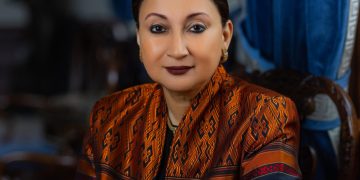
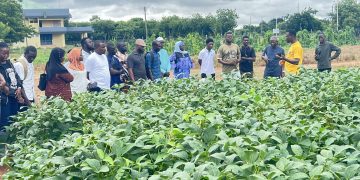
“At the Table with Alberta Nana Akyaa Akosa” is a 10–15-minute interview programme hosted by the Executive Director of Agrihouse Foundation, Alberta Nana Akyaa Akosa. The show will travel across regions of Ghana, engaging women farmers and farmers with disabilities to share their experiences, challenges, and contributions to agriculture and food security.
The initiative seeks to amplify the voices of women in agriculture and make visible the often overlooked contributions they make to sustaining food systems, strengthening rural economies, and supporting national development.
According to the afore mentioned organizations, women farmers remain invisible change-makers within many communities despite their significant impact on families, livelihoods, and regional development.
The programme will also raise awareness about the barriers women farmers face, including limited access to resources, social protection challenges, and discrimination, while encouraging greater support from policymakers, institutions, and the private sector.
Speaking on the initiative, Alberta Nana Akyaa Akosa noted that empowering women farmers is critical to achieving sustainable agricultural development.
“When women farmers thrive, communities thrive. Their resilience, innovation and commitment to feeding families and nations must be recognized and supported,” she said.
The programme will serve as a platform to celebrate the courage, leadership, and determination of women farmers while encouraging society to invest in their success and well-being.
Agrihouse Foundation believes that true development depends on creating opportunities for all, and that women farmers must be given the recognition, support, and resources they need to continue shaping the future of agriculture.