








































The International Labour Organisation (ILO) has called for the integration of gender equality into Ghana’s climate policies.
It urged the country to use the Affirmative Action (Gender Equity) Act, 2024 to ensure that women are not left behind in the transition to a green economy.
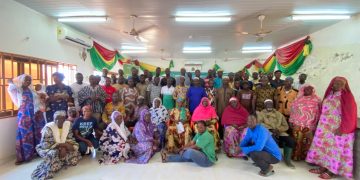
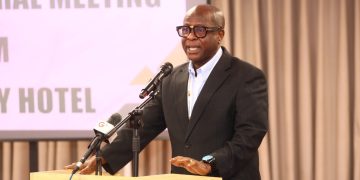
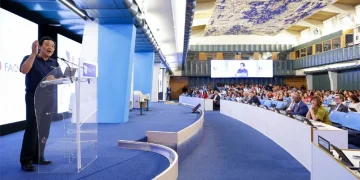
Mr Gideon Mankralo, National Project Coordinator of the ILO, made the call at a capacity-building workshop for Chief Directors and Gender Desk Officers in Accra on Thursday.
The workshop sought to equip participants with practical guidance on the provisions, reporting requirements and implementation mechanisms of the Affirmative Action (Gender Equity) Act, 2024.
The Act requires public institutions to integrate gender equity considerations into recruitment, appointments, promotions and decision-making processes.
It also mandates institutions to implement measures that promote equitable representation and participation of women in leadership and decision-making positions.
Mr Mankralo said climate change was not gender-neutral and could not be effectively addressed if gender inequality was overlooked.
He noted that women were disproportionately represented in informal employment, subsistence agriculture and unpaid care work, sectors most vulnerable to climate-related shocks such as floods, extreme heat and erratic rainfall.
“Climate change has the potential to deepen existing gender inequalities unless deliberate corrective measures are taken. This is precisely where affirmative action becomes indispensable,” he said.
Mr Mankralo urged Gender Focal Persons to ensure that climate initiatives within their institutions were genuinely gender-responsive.
He commended the Ministry of Gender, Children and Social Protection for its leadership in translating the landmark legislation into practical institutional action.
He described the passage of the Act as one of Ghana’s most significant governance reforms in recent decades, saying it reflected the country’s commitment to equitable participation of women and men in leadership, employment and decision-making.
However, he cautioned that legislation alone would not guarantee equality.
“Legislation alone does not produce equality. Implementation does,” he added.
Mr Mankralo stressed that Gender Focal Persons had a critical role to play in driving institutional change across Ministries, Departments and Agencies.
Drawing on the ILO’s Just Transition framework, he said the shift to environmentally sustainable economies must be fair and inclusive, with equal access to green skills, finance, decent work and social protection.
The ILO National Coordinator outlined six priority actions for Ghana: integrating gender into all climate policies, investing in women’s green skills, expanding finance for women-led green enterprises, targeting women in climate financing, strengthening gender-responsive labour data, and promoting women’s leadership in climate governance.
“The implementation of the Affirmative Action Act comes at a defining moment. As Ghana accelerates climate resilience and green industrialisation, these two priorities must reinforce one another,” he said.
“If we succeed, Ghana can build an economy that is greener, more productive, more resilient and more equitable.”
He urged Gender Focal Persons to view the Act not merely as a legal obligation but as a strategic opportunity to shape a future in which climate action creates decent work and leaves no one behind.

