





































The Centre for Democratic Movement (CDM) has expressed concern over what it describes as a worsening food glut crisis in Ghana, warning that many farmers are suffering heavy losses despite recording bumper harvests.
Speaking at a press conference in Accra on Monday, May 25, Convenor of the group, Samuel Doku, said the country’s food distribution system is failing farmers, schools and consumers at the same time.
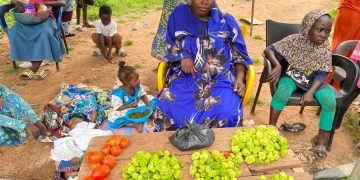
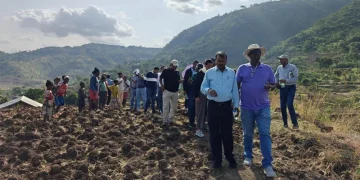
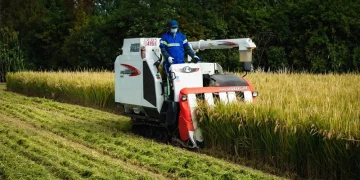
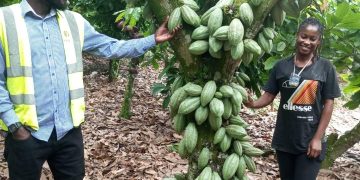
According to him, large quantities of food products including tomatoes, rice, beans, yam and maize are going to waste in farming communities because producers cannot access reliable markets or storage facilities.
“Many farmers across Ghana cannot sell their produce despite having bumper crops, while educational institutions and vulnerable communities continue to experience shortages and supply disruptions,” he stated.
Mr. Doku argued that the development exposes serious weaknesses in Ghana’s national food system and agricultural market coordination.
“This contradiction reflects a major structural failure within the national food system,” he said. “Farmers are watching maize, tomatoes, rice, beans, yam and other staples rot at farm gates because there are no reliable markets, no effective storage systems, no guaranteed pricing mechanisms and inefficient state intervention.”
He noted that while farmers struggle to dispose of their produce, consumers in urban centres continue to face high food prices.
“Consumers continue to pay high food prices while schools continue to report shortages. This is not merely an agricultural challenge; it is a governance failure,” he stressed.
The CDM further warned that the persistent losses are discouraging many farmers from continuing cultivation, with some reportedly selling their farmlands because farming is no longer economically viable.
“We are particularly concerned that many farmers are now abandoning cultivation due to sustained losses and uncertainty,” Mr. Doku said. “Some are reportedly selling farmlands because agriculture is no longer economically sustainable for them.”
He described the trend as a threat to national security and called for urgent government intervention to improve food distribution, storage infrastructure, agro-processing and market access.
“No nation secures its future by destroying the economic dignity of its farmers,” he added.
The group also criticised what it described as poor buffer stock management, weak agro-processing development and inadequate feeder roads, saying these challenges continue to worsen the food glut crisis across several farming communities in the country.

