



































The Managing Partner and Technical Director of Agromonti Company Limited, Mr. Dominic Donkoh, has identified agro-input dealers and farmers as the primary anchors of Ghana’s food security and national food production systems.
Speaking at the recently ended 3rd Ghana Agrochemical and Crop Protection Awards (GACA 2026) in Techiman, Mr. Donkoh emphasized that the strategic partnership between those who provide agricultural inputs and those who till the land are the engine of the nation’s agricultural sector.
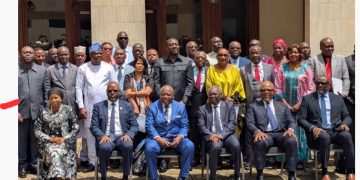
The event, held under the theme “Bountiful Yield: The Pride of Harvest,” convened farmers, input dealers, and policymakers to advocate for the responsible use of agrochemicals to enhance crop protection and nutritional value while addressing post harvest loses.
Mr. Donkoh expressed concern over Ghana’s persistent food insufficiency, noting the irony of relying heavily on imports despite the country’s vast natural resources.
“On average, we import food worth approximately USD 2 billion annually to feed a population of 33 million; a country where 60% of that population are farmers,” he stated. He argued that bridging this production gap depends entirely on the availability of high-quality seeds, fertilizers, and crop protection products that empower farmers to increase their yields.
According to Mr. Donkoh, modern agrochemicals are redefining farming by boosting crop vitality and reducing the physical labor required by farmers. However, he was quick to point out that this technological advancement comes with significant responsibility.
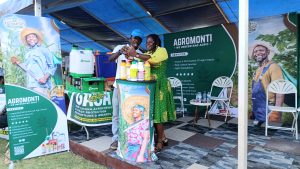
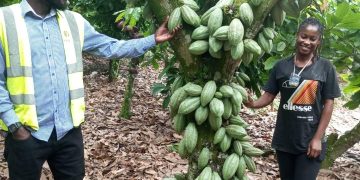
He challenged agro-input dealers to maintain the highest standards of quality, ensuring that the products sold do not jeopardize the safety of the food chain or the health of consumers. He urged them to offer more advice to farmers on protective measures to be applied when using agrochemicals such as wearing of gloves, nose mask, wellington boots, overall dress and others to keep the farmer safe from the health implications of these products.
He also advised agro-input dealers to refrain from the instreaming the Ghanaian market with foreign rejected non-quality and expired products that are detriment to crop wellbeing, food safety, and consumers’ health.
To complement the efforts of dealers, Mr. Donkoh admonished farmers to be meticulous in their operations. He stressed the importance of strictly adhering to manufacturers’ instructions and precautionary measures during the application of agrochemicals.
“The right application is non-negotiable,” he noted, “as it ensures that while we strive for maximum yields, we also maintain the safety and integrity of the food that reaches the Ghanaian consumer.”

