


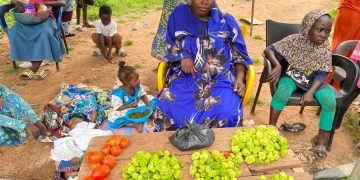
























“The farmer maintains the orchard for three years, but the market arrangements favour middlemen who collect the fruit in one day and pay peanuts,” Ms Mukaire says.
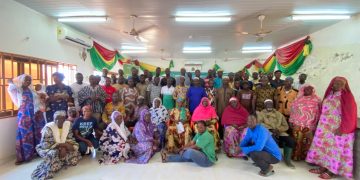
Founded in 2020 with 287 members across the Iganga, Kamuli, Luuka, and Jinja clusters, BAFCU now supports more than 3,000 households. The cooperative currently has 700 acres under avocado production, equivalent to approximately 283 hectares, and plans to expand to 1,400 acres, about 567 hectares.
To reduce losses, farmers are exploring value addition options, including virgin avocado oil extraction, avocado paste and powder, and the use of skins and seeds for compost, briquettes, and cosmetic products. “Every two months, we can harvest at least two tonnes of second-grade avocados. If we get a buyer and small-scale oil processing equipment, we can add value instead of selling cheaply,” Ms Mukaire says.
The cooperative is also seeking investment in branding, marketing, and technical support to meet international standards such as GlobalGAP certification. High production costs, including irrigation, fertilisers, labour, and crop protection, remain a constraint.
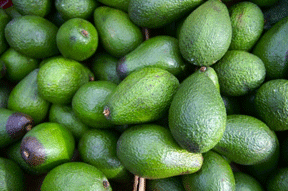
BAFCU vice chairperson George Inyensiko says Hass avocado has export potential due to its oil content and shelf life. He notes that one acre with about 120 trees can earn over Shs10m annually once mature, equivalent to approximately US$2,700. Certified Hass seedlings cost about Shs5,000, roughly US$1.35, and the cooperative is encouraging members to establish nurseries to reduce costs to Shs1,000, about US$0.27.
The cooperative aims to improve quality, increase volumes, and eventually export directly to Europe, Asia, and the Middle East.
Source: Monitor
Picture Source : Agricultural marketing resource center

