









Ghana is set to declare its first-ever Marine Protected Area (MPA) as part of efforts to safeguard the country’s ocean resources and meet international biodiversity commitments.
The MPA, involving 21 coastal communities, will be located at Great Cape Three Points in the Western Region.
The move forms part of the global “30 by 30” target under the Kunming-Montreal Global Biodiversity Framework, which requires countries to protect 30 percent of their ecosystems by the year 2030.
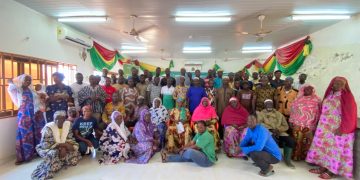
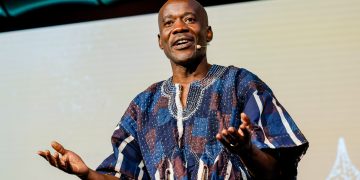
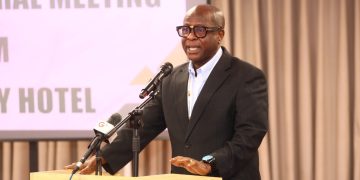
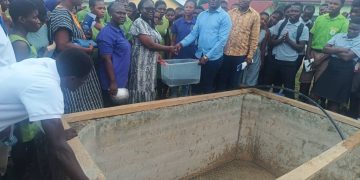
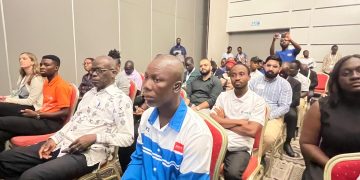
Speaking at a capacity building workshop for journalists in Kumasi, Acting Deputy Executive Director of the Fisheries Commission, Prof. Berchie Asiedu indicated that the designated zone will serve as a breeding and resting ground for fish.
“The fish will lay their eggs and grow there. When the stock increases, they move to other areas where fishermen can harvest them. That increases our catch per unit effort,” Prof Asiedu said.
He explained that Marine Protected Areas differ from the annual closed fishing season.
While the closed season is temporary and time-bound, the MPA is permanent and location-specific.
Ghana currently imports more than half of the fish it consumes, costing the country hundreds of millions of dollars annually.
Authorities say protecting marine stocks and promoting aquaculture are key to reducing the country’s dependence on imports.
“Once the area is declared, there will be no fishing there permanently.”
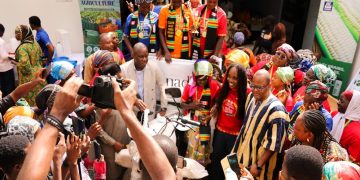
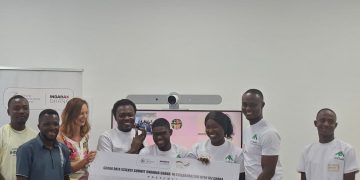
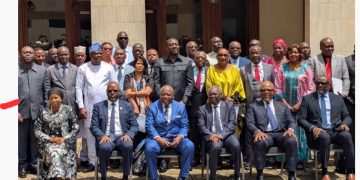
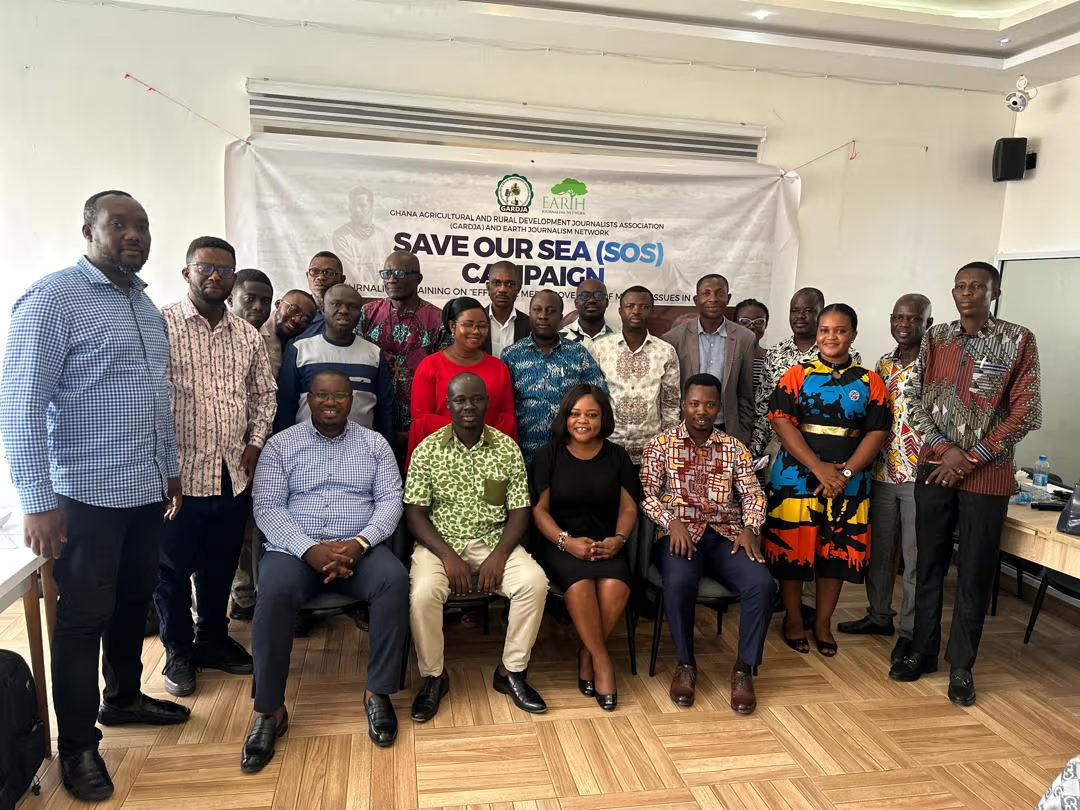
The training programme organised by the Ghana Agricultural and Rural Development Journalists Association (GARDJA) with support from the Earth Journalism Network, under the Save Our Sea Campaign, is aimed at strengthening media coverage of marine and fisheries issues.
President of the GARDJA, Richmond Frimpong, said the goal is to equip journalists with the knowledge to report accurately on marine conservation and fisheries management.
“We expect journalists to produce in-depth stories on overfishing, illegal fishing, and the 30 by 30 agenda, so that their reports can influence policy direction.”
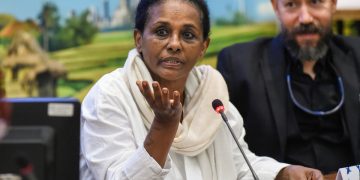
Ghana Country Coordinator of the Earth Journalism Network, Charles Smith, noted that Ghana is part of a broader international initiative involving Mexico and the Philippines to strengthen reporting on marine protection.
“More than three million Ghanaians depend on fisheries for their livelihood. Protecting marine resources is essential for food security and the economy,” he noted.
Stakeholders say informed journalism will be critical in shaping public understanding and ensuring community support as Ghana moves toward protecting 30 percent of its marine resources by 2030.

