


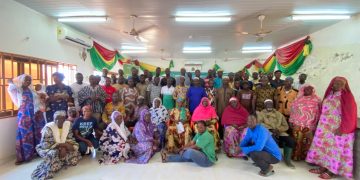
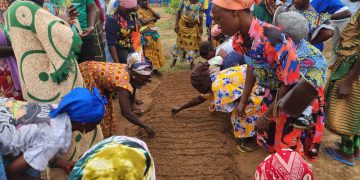

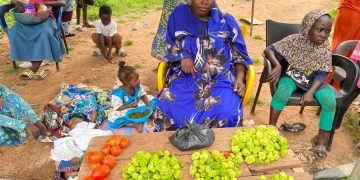
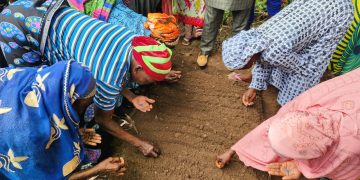






















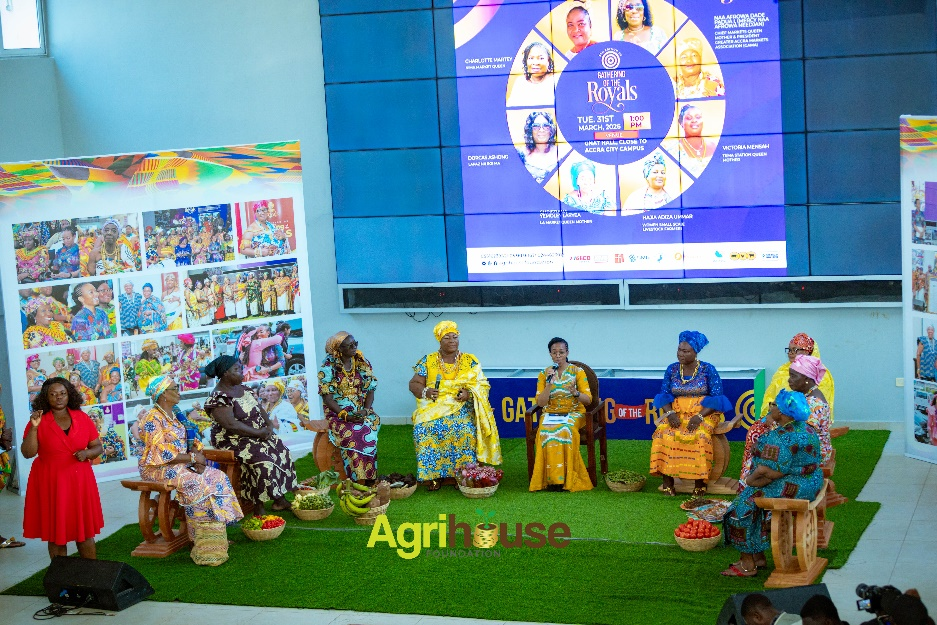
The 8th Gathering of the Royals, held on Tuesday, March 31, 2026, at the GNAT Hall in Accra, came alive with a refreshing and impactful new addition the Market Queens Panel Discussion, a session that brought emotion, lived experience, and powerful grassroots insight to the forefront of Ghana’s agricultural and food systems conversation.
Over the years, the Gathering of the Royals has established itself as a leading platform for dialogue and action among Queen Mothers in agriculture, traditional leaders, and policymakers, consistently championing inclusive development within the agribusiness space. This year, however, the platform took a bold and necessary step further by intentionally amplifying the voices of Market Queens the women who serve as the critical bridge between production and consumption, and whose daily work sustains the nation’s food economy.
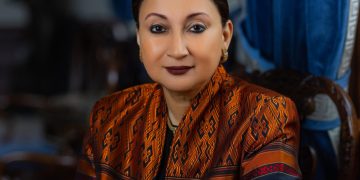
Moderated by Hon. Dr. Zanetor Agyeman-Rawlings, Member of Parliament for the Korle Klottey Constituency, the session brought together an influential group of Market Queens and women leaders from some of the country’s busiest and most strategic trading hubs, including Makola, Nima, Lapaz, Tema Station, La, and Malata markets.
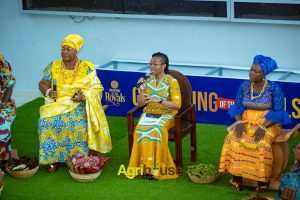
Also represented were voices from the livestock and fisheries sectors, ensuring that the discussion reflected the full breadth of Ghana’s food value chain. The composition of the panel itself was a powerful statement one that recognized that food security is not achieved solely at the farm level, but through a complex, interconnected system in which markets play a decisive role.
With a strong sense of pride and responsibility, the Chief Market Queens President, Naa Afrowa Padua I, set the tone for the session by reflecting on the historical perception of market women and the journey toward recognition. She spoke candidly about a time when identifying as a market woman was often met with disregard, largely because of the informal nature of the sector.
Yet, in a compelling shift of narrative, she emphasized that market traders are indispensable actors in national development, underscoring that their role goes beyond commerce to ensuring that food moves efficiently from farms to households across the country. Her remarks not only challenged long-held biases but also reaffirmed the dignity, structure, and leadership embedded within market systems.
As the conversation unfolded, each speaker brought to light specific, deeply rooted challenges that continue to affect market operations and, by extension, national food security. From Lapaz, Dorcas Anshong highlighted the urgent need for consistent and affordable supply of eggs, pointing to how disruptions in supply directly affect both traders’ incomes and consumers’ access to protein-rich food.
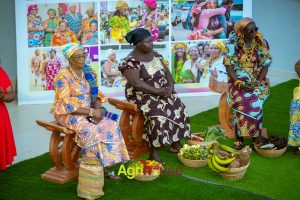
From Nima, Charlotte Martey painted a vivid picture of post-harvest losses, stressing the lack of adequate storage and preservation infrastructure, which results in significant financial losses and food waste. Her contribution underscored a critical gap within the value chain one that requires investment in cold storage systems, improved market facilities, and training in modern preservation techniques.
Josephine Nortey of Tema Station Market offered a compelling reminder of the strategic importance of market locations, describing Tema Station not just as a point of transit, but as a vibrant commercial hub that serves a wide cross-section of the population, including workers from key institutions. Her perspective reinforced the idea that markets are not incidental spaces, but carefully structured ecosystems that respond to the movement and needs of people.
Meanwhile, Akweley Odoi of Malata drew attention to the growing challenge of spatial encroachment within market areas, where trading spaces are increasingly being converted into residential zones, disrupting business activities and limiting traders’ ability to operate effectively. Her call for regulatory enforcement highlighted the need for coordinated urban planning and market governance.
Adding a critical dimension to the discussion, Hajia Adiza Ummar, representing women in small-scale livestock farming, brought attention to the cattle sector, an often-overlooked yet highly profitable segment of the agricultural economy. She questioned the limited attention given to livestock compared to other sectors and called for greater investment, policy focus, and inclusion, emphasizing that empowering women within this space could significantly boost both livelihoods and national meat production.
What stood out clearly throughout the session was the depth of experience and practical knowledge the Market Queens bring to Ghana’s food system. Speaking from years of hands-on engagement, they highlighted how closely their work is tied to every stage of the food chain from sourcing produce to managing sales and responding to consumer needs.
Their contributions showed that markets are not just places of exchange, but spaces where real decisions are made daily, often under challenging conditions. Through their voices, it became evident that their role goes beyond trading; they are problem-solvers, coordinators, and key actors who ensure that food moves efficiently, remains accessible, and reaches households across the country.
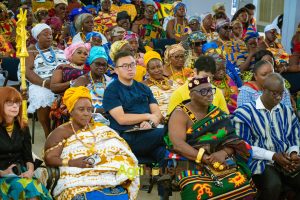
The introduction of the Market Queens Panel Discussion marks a significant evolution of the Gathering of the Royals, reinforcing its commitment to inclusivity and practical engagement. By integrating the voices of Market Queens into this high-level dialogue, the platform has effectively bridged a critical gap ensuring that those who operate at the final and most visible stage of the food system are not only acknowledged but actively shaping the conversation. This shift is particularly important in the context of building resilient and sustainable food systems, where solutions must be informed by both policy frameworks and on-the-ground realities.
As the Gathering of Royals continues to bring together thousands of women farmers, queen mothers, and agribusiness leaders across Ghana, this new addition strengthens its vision of fostering collaboration, driving innovation, and promoting people-centered approaches to agricultural development. It also sets a precedent for future engagements, where inclusivity is not symbolic but deeply embedded in the structure of dialogue and decision-making.

