













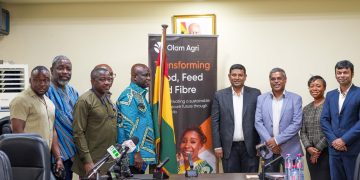
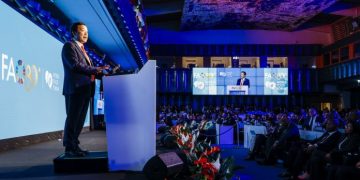









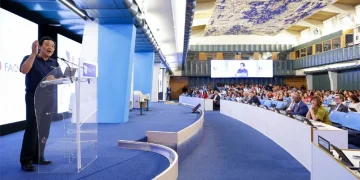
















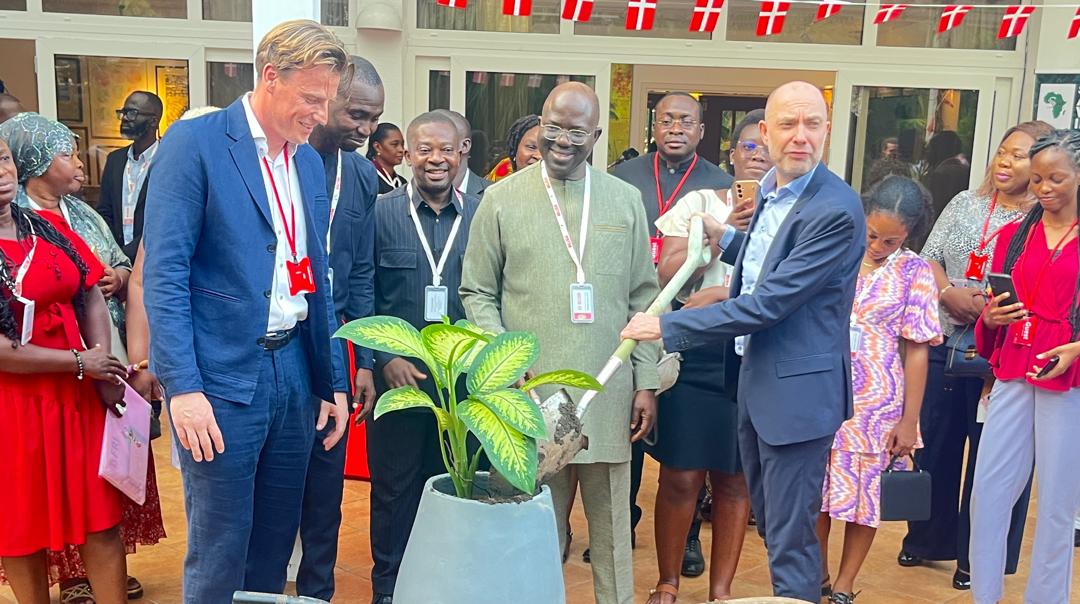
The Association of Ghana Industries has collaborated with the Confederation of Danish Industries to launch the Sustainable African Value Chain Initiative (SAVI) in Accra.
The SAVI programme seeks to strengthen the capacity of businesses to integrate sustainability principles into their operations and value chains.
Dr Kofi Nsiah-Poku, the President of AGI, during the launch said through capacity-building programmes, technical assistance, peer learning, stakeholder engagement, and practical implementation support, SAVI will help businesses identify sustainability risks and opportunities facing businesses.
That, he said, would translate into concrete actions that improved their performance and competitiveness.
He said across the world, sustainability was increasingly shaping the future of business, of which investors are seeking companies with strong Environmental, Social, and Governance (ESG) credentials.
“Consumers are demanding greater transparency in supply chains. International buyers are introducing stricter sustainability requirements,” he said.
“New regulations relating to climate action, responsible sourcing, and sustainability reporting are changing how companies access markets and remain competitive,” he said.
He said companies must adapt to evolving standards and expectations, urging businesses to embrace sustainability to stand to benefit from improved efficiency, stronger market access, enhanced investor confidence, reduced operational risks, and greater long-term profitability.
“For AGI, this initiative aligns closely with our mission to promote vibrant and globally competitive industrial sector that contributes meaningfully to Ghana’s economic transformation,” he said.
He said AGI had consistently championed initiatives that supported resource efficiency, climate resilience, responsible business conduct, and industrial decarbonisation.
“We firmly believe that the future competitiveness of Ghanaian industry will increasingly depend on its ability to embrace sustainability as a core business strategy,” he said.
The Government has articulated an ambitious vision of positioning the country as a leading manufacturing and industrial hub within West Africa and the African Continental Free Trade Area.
Achieving this vision, Dr Nsiah-Poku said, required industries that were productive, innovative, resource-efficient, and globally competitive.
Ghana has made a commitment under the Paris Agreement on Climate Change, including reducing greenhouse gas emissions and building climate resilience across key sectors of the economy.
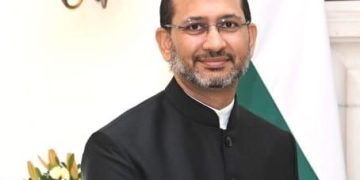
Mr Jakob Linulf, the Denmark Ambassador, urged the African continent to adhere to the specific sustainability requirements to enable them to export their products to Europe.
The outcome of the initiative was to ensure that Europe, including Denmark, received more sustainable, high-quality products from Ghanaian manufacturers.
Ghana, he said, would benefit from increased exports, job creation, and stronger economic development.

