













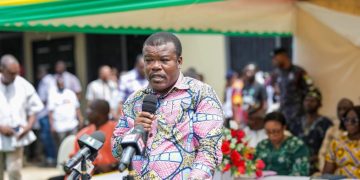
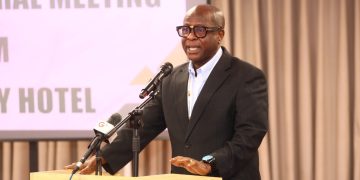








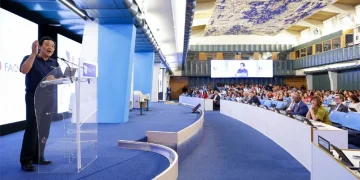











Dr Murana Muhammad, Programmes Director of the National Commission for Civic Education (NCCE), has said protecting the environment is a collective responsibility.
“It is our shared responsibility that every trash we drop, every gutter we block, and every tree we fell without planting another is a vote against tomorrow,” he stated.
He explained that civic duty does not end with voting every four years, stressing that a true citizen does not litter streets or build on waterways. He added that teaching children to protect the environment is a patriotic act.
Mr Mohammed read a speech on behalf of the Chairperson of the NCCE, Ms Kathleen Addy, at the commemoration of the 54th World Environment Day.
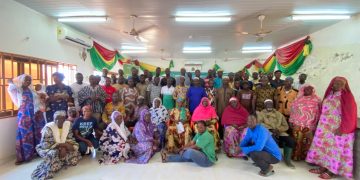
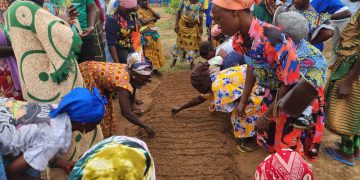
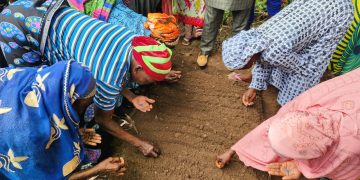
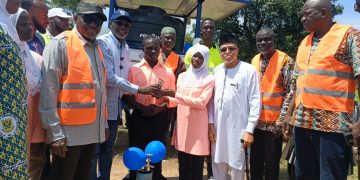
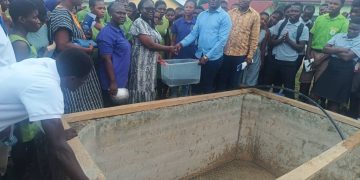
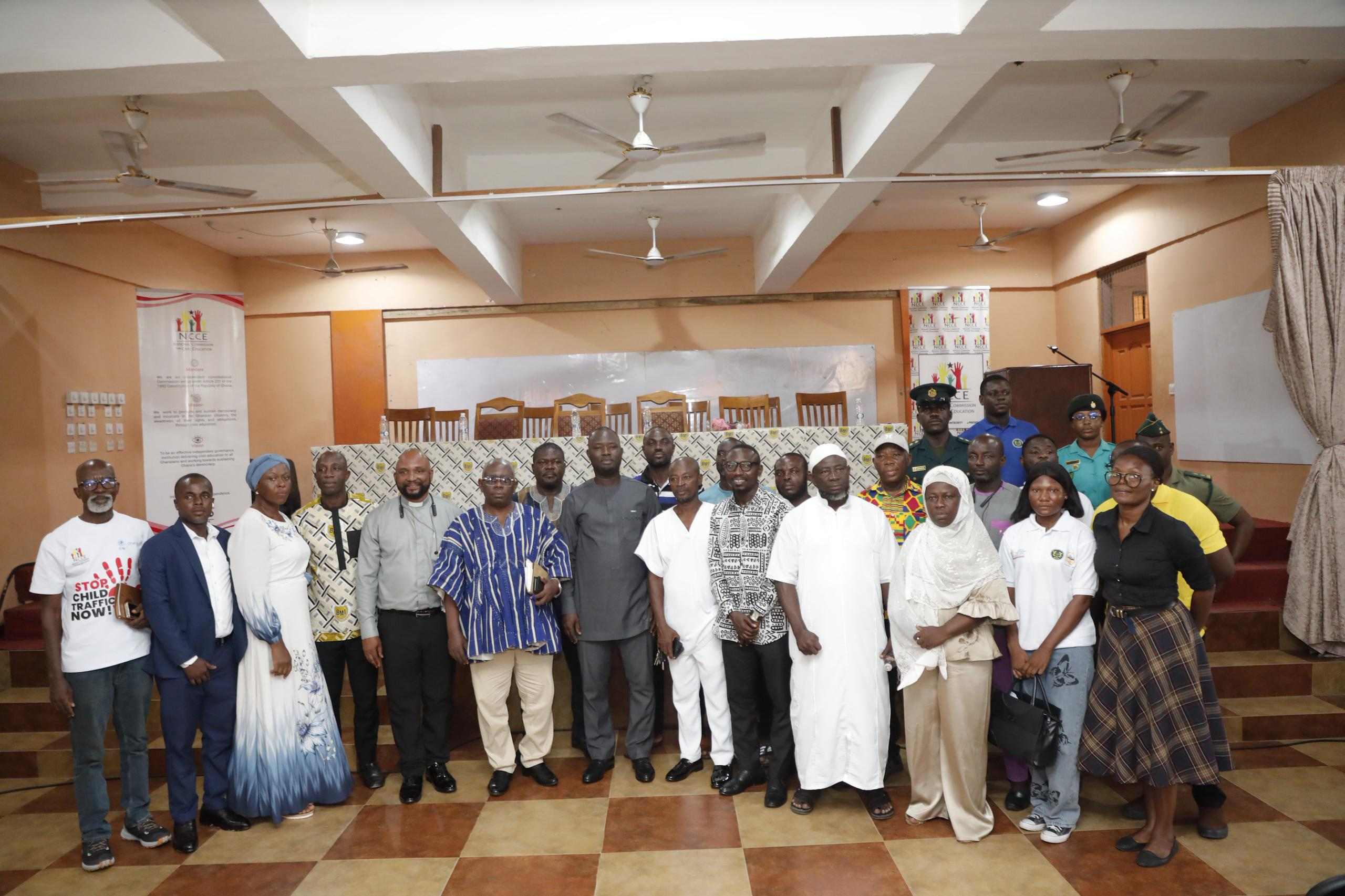
The event was organised by the Awutu-Senya East Municipal Directorate of the NCCE in partnership with the Municipal Assembly at Bediako Memorial Institute in Kasoa, where several trees were planted.
The programme, on the theme “Climate Action,” was attended by traditional leaders, security agencies, assembly members, civil society organisations, clergy, heads of decentralised departments and institutions, as well as students of Bediako Memorial Institute and Kumbi Islamic Basic School.
Dr Muhammad noted that the impact of climate change would be felt more by the younger generation, who contributed least to it, and urged them to take action to address it.
“As the world marks World Environment Day, we are not just observing another date on the calendar but facing a mirror that shows rivers filled with plastics and a future clouded by uncertainty.
“Assemblies are on the frontline. The hour demands more action than plans on paper. We are facing flooding not because the rain is new, but because enforcement is weak,” he said.
He stated that the Assemblies’ regulatory mandate was not merely bureaucratic but lifesaving, involving building inspections, public education, and sanctions where necessary.
“Any Assembly that cannot control its waste and water cannot claim to protect its people,” he added.
He further urged authorities to move from speeches to concrete action, stressing that environmental protection requires collective effort from all stakeholders.
Mr Ebo Nnabochi, representative of the Environmental Protection Authority (EPA), educated participants on the causes and effects of climate change, as well as the importance of protecting the environment.
He noted that changing atmospheric conditions had led the United Nations (UN) to designate a day to educate the public on protecting the environment from deforestation, harmful gases, and other destructive practices such as burning.
He said energy cannot be destroyed but only transformed, warning that harmful environmental practices continue to endanger ecosystems. He called for an end to bush burning and indiscriminate tree felling and encouraged tree planting.
Mr John Greg Adowah, Head of Bediako Memorial Institute, urged students to make a difference by contributing their quota to environmental protection, noting that small actions can create significant ripple effects in mitigating climate change.
Mrs Mary Nyame Ankrah, Municipal Director of the NCCE, explained citizens’ duties under Article 41 of the 1992 Constitution, emphasising the need to protect the environment from degradation.
She noted that government alone cannot address environmental challenges and called on all citizens to take responsibility for protecting and preserving the environment.
Apostle Dr S. K. Larbie, Seer of the Power of Christ Ministry Ghana, who chaired the event, urged participants to apply the knowledge gained and collectively avoid activities that endanger the environment.

