























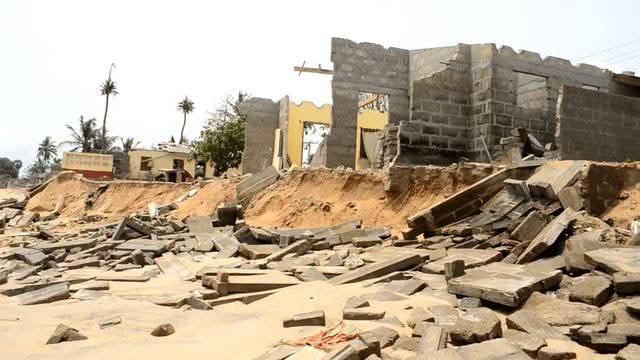
The Government has committed more than GH¢442 million towards climate disaster recovery and coastal protection interventions as Ghana faces growing threats from climate change and environmental degradation.
The allocation includes GH¢242.5 million earmarked in the 2025 Budget for recovery, resettlement and compensation for communities affected by the 2023 Akosombo Dam spillage, and an additional GH¢200 million for coastal protection interventions to address erosion and flooding risks.
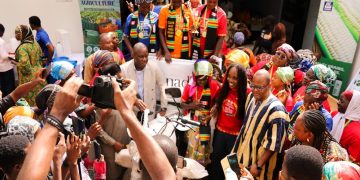
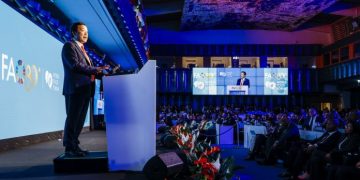
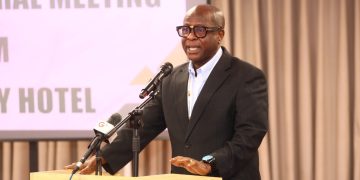
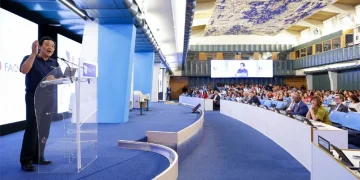
Mr Samuel Arkurst, the Director of the Real Sector Division at the Ministry of Finance, disclosed this at the Second Edition of the Ghana Green Investment Dialogue and Capacity Building Workshop in Accra on Thursday.
The workshop was organised by Climate Parliament in partnership with the United Nations Industrial Development Organisation (UNIDO) and the Parliament of Ghana.
Mr Arkurst said climate-related disasters continued to place significant pressure on Ghana’s economy and fiscal position, compelling Government to increase spending on disaster response and resilience-building measures.
“Like many countries in Sub-Saharan Africa, Ghana faces mounting climate risks, from erratic rainfall and flooding to coastal erosion and heat stress,” he said.
He cited the World Bank’s 2022 Country Climate and Development Report, which warned that at least one million Ghanaians could fall into poverty by 2050 due to climate shocks if urgent action was not taken.
Mr Arkurst said the rising cost of climate emergencies highlighted the need for accelerated investment in renewable energy, climate adaptation and green infrastructure.
He noted that Ghana’s transition to a climate-resilient, low-carbon economy was both an economic necessity and a sustainable development imperative.
Investments in renewable energy and green growth could strengthen resilience, improve energy security and reduce long-term economic vulnerabilities, he noted.
Mr Arkurst said Government’s climate agenda was aligned with Ghana’s commitments under the Paris Agreement and the implementation of the country’s Nationally Determined Contributions (NDCs), aimed at promoting renewable energy development and climate resilience across key sectors.
He noted that achieving Ghana’s climate ambitions would require stronger collaboration among policymakers, development partners, investors, financial institutions and project developers.
Mr Arkurst described the workshop’s focus on Green Energy Zones and constituency-level renewable energy opportunities as strategic interventions capable of attracting sustainable investment, expanding renewable energy infrastructure and stimulating local economic development.
He expressed optimism that the workshop would generate actionable ideas to drive sustainable growth, strengthen community resilience and create jobs.
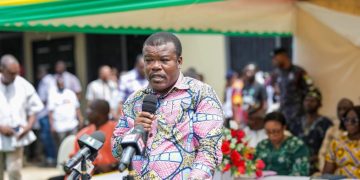
Mr Dickson Kyere-Duah, Member of Parliament for Berekum West, speaking on behalf of the Ranking Member of Parliament’s Environment, Science and Technology Committee, noted that green investment had become a necessity rather than a choice.
He said Ghana’s future economic competitiveness would increasingly depend on its ability to build environmentally sustainable and low-carbon systems.
Parliament, he said, remained committed to creating an enabling policy and regulatory environment that promoted sustainable investment while ensuring transparency, accountability and inclusive development.
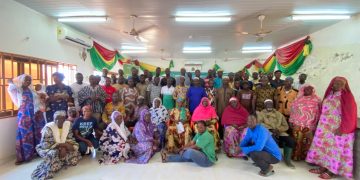
Participants included Members of Parliament, representatives of development partners, financial institutions, renewable energy developers and private sector stakeholders.
The forum is expected to deliberate on climate finance mobilisation, renewable energy investment priorities and strategies to accelerate Ghana’s green transition agenda.

